The attic is clean and easy to access
DIY becomes more realistic when the attic floor is visible enough to work safely and there is no sign of contamination or damage.
Resources • Project decision
Some attic insulation projects look simple from the hallway. Others only look simple until old insulation, tight access, air leaks, ventilation paths, pest history, or cleanup needs show up. The decision is not whether a homeowner is capable. It is whether the attic is simple enough to do safely and correctly without missing the problems underneath the material.
When DIY may be reasonable
DIY becomes more realistic when the attic floor is visible enough to work safely and there is no sign of contamination or damage.
A limited depth improvement can be simpler than an attic that needs removal, sealing, baffles, or cleanup.
A homeowner should know how to avoid blocking soffit airflow, burying hazards, or creating coverage problems around access points.
When hiring is the cleaner answer
Dirty, settled, damaged, or pest-affected material can turn a top-off into a reset project.
Open attic bypasses can make new insulation underperform if the final layer is installed before the attic floor is tightened.
Tight spaces, low clearance, heat, wiring, can lights, and uneven framing can all make the attic harder than it appears from below.
How to compare the paths
If a DIY plan only adds material but does not evaluate leaks, old insulation, airflow, or contamination, the scope may be incomplete.
A professional recommendation should show why the attic needs that scope instead of simply naming a product and price.
The right path is the one that handles the actual condition of the attic, not just the one that looks quickest on day one.
Best next pages

Assessment guide
Use this guide to understand what a documented attic assessment should uncover before material is added.
Read inspection guide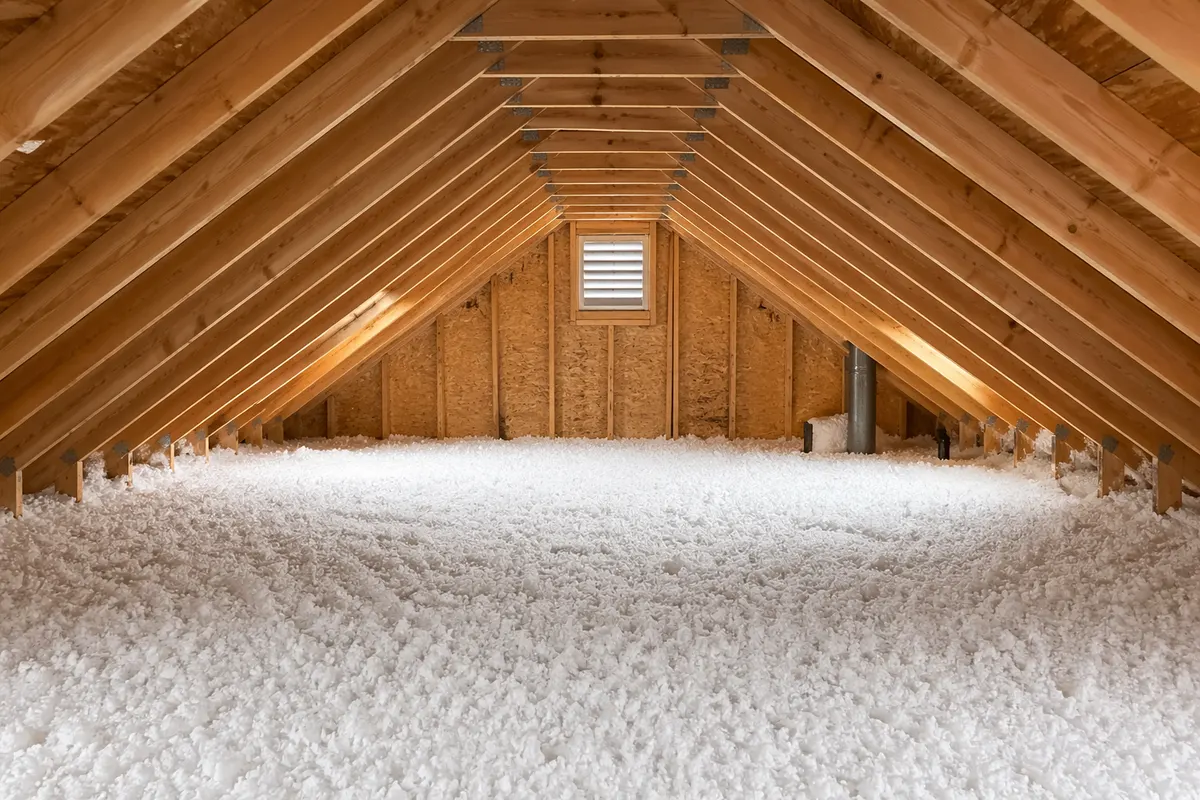
Core service
Upgrade underperforming attic insulation so the whole home feels steadier, cleaner, and more efficient.
View insulation service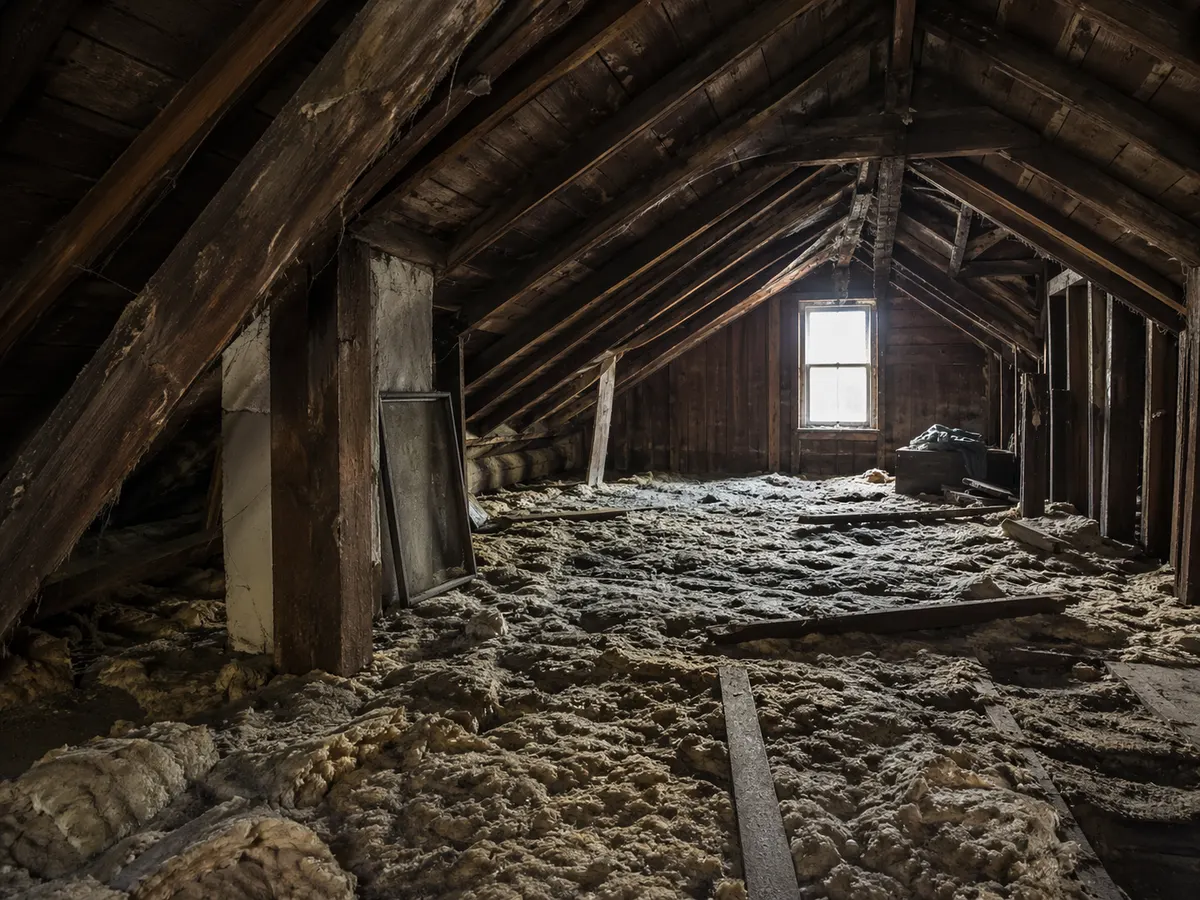
Scope decision
Use this guide when the old insulation may change the project before any DIY or professional path makes sense.
Compare scopeLocal service paths
The local pages connect the decision to a market team and phone path without pretending every home needs the same scope.
Salt Lake City • Local insulation path
Need attic insulation in Salt Lake City? Good Attic helps with blown-in attic insulation, old insulation removal, air sealing, hot and cold rooms, and energy waste with a cleaner, more complete attic plan.
Open local service
St. Louis • Local insulation path
Need attic insulation in St. Louis? Good Attic helps with blown-in attic insulation, hot upstairs rooms, winter heat loss, old insulation removal, and air sealing when the attic needs a fuller fix.
Open local service
Kansas City • Local insulation path
Need attic insulation in Kansas City? Good Attic helps with blown-in attic insulation, attic air sealing, winter heat loss, hot upstairs rooms, and underperforming insulation problems.
Open local serviceSource notes
These sources are included for context. They do not endorse Good Attic, and the right project scope still depends on documented attic conditions.
Reference
Official homeowner guidance on why attic air sealing and insulation work together for comfort and energy waste.
Open sourceReference
Climate-zone attic insulation guidance for comparing existing depth, target R-values, and retrofit decisions.
Open sourceFAQ
Sometimes, especially when the attic is clean, easy to access, uncomplicated, and the homeowner understands ventilation, safety, and coverage requirements.
Professional help is usually the better route when the attic has contamination, difficult access, removal needs, air sealing needs, ventilation details, or a larger comfort problem to diagnose.
One common mistake is adding material before checking whether the attic floor leaks, old insulation is worth keeping, or ventilation paths need protection.
Next step
Start with the attic condition. Once the attic is documented, the right path gets much easier to choose.
Best next pages
These are the most relevant next pages from here based on the current attic topic, market, or support path.
Best next page
Open Salt Lake City Market Hub for the full local market hub, service pages, city support pages, and the right market contact path.
Open page
Best next page
Open St. Louis Market Hub for the full local market hub, service pages, city support pages, and the right market contact path.
Open page
Best next page
Open Kansas City Market Hub for the full local market hub, service pages, city support pages, and the right market contact path.
Open page
Best next page
Use Attic Resources as the supporting guide before choosing the next attic service or local market path.
Open page