It strengthens the thermal layer
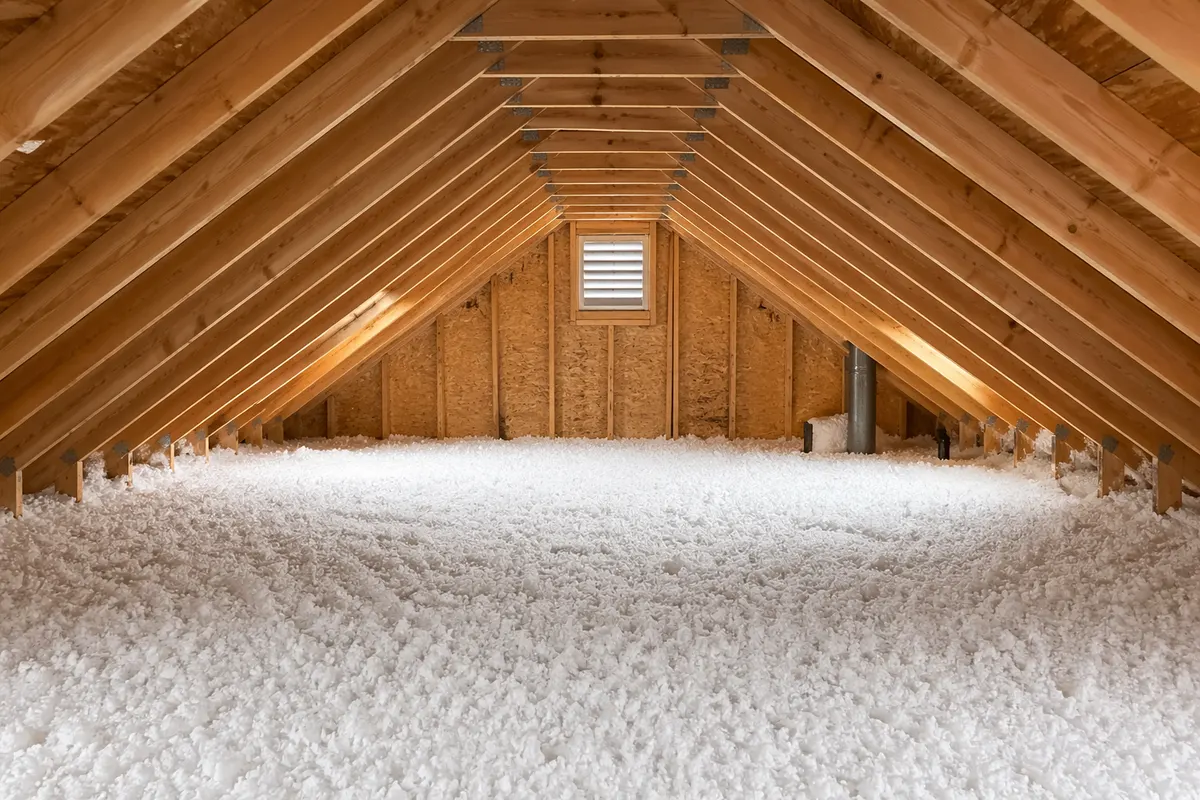
After cleanup and sealing decisions, blown-in insulation can bring the attic floor closer to a modern coverage target.
Resources • Insulation options
Spray foam and blown-in attic insulation are often compared like simple product swaps. In real attics, the better question is what the house needs the attic boundary to do, whether the attic is vented or unvented, whether air sealing is part of the answer, and whether the existing attic is clean enough to support the next system.
How blown-in insulation is usually used
After cleanup and sealing decisions, blown-in insulation can bring the attic floor closer to a modern coverage target.
In many homes, the attic remains vented while insulation and air sealing improve the boundary below.
A vented attic with blown-in insulation can remain easier to inspect and adjust when the project is sequenced correctly.
Why spray foam is a bigger design decision
Foam applied at the roof deck can create a different attic strategy than insulation installed on the attic floor.
Because the attic assembly changes, the ventilation and moisture conversation has to be handled carefully.
Old insulation, contamination, pest history, and leakage do not stop mattering just because a different product is being considered.
How to make the decision cleaner
Depth, contamination, access, ventilation, and obvious bypasses should all be visible in the recommendation.
The project should clarify whether the attic is staying vented with improved floor insulation or needs a different assembly conversation.
The material should support the attic plan rather than becoming the plan by itself.
Best next pages
Core service
Upgrade underperforming attic insulation so the whole home feels steadier, cleaner, and more efficient.
View insulation service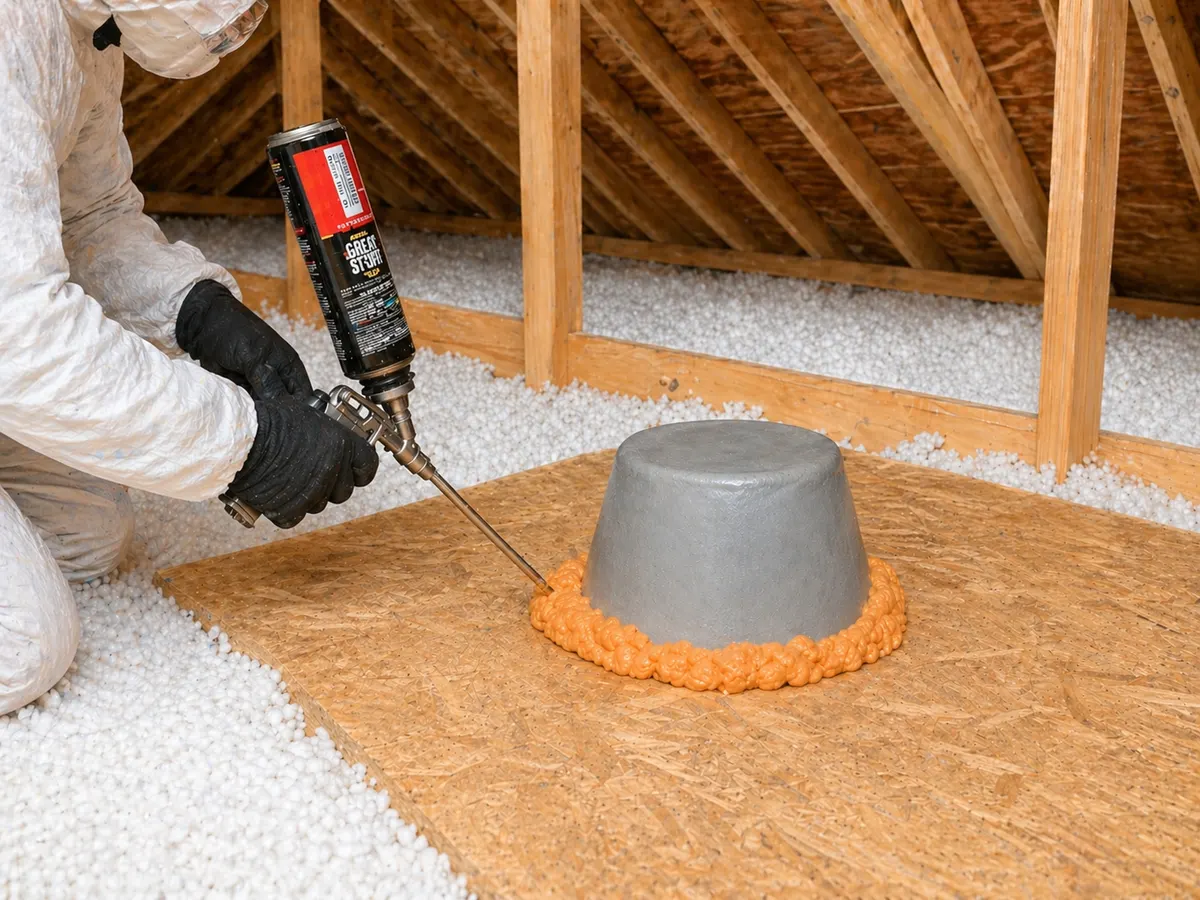
Boundary path
Stop conditioned air from leaking into the attic and dusty attic air from drifting back into the home.
Compare sealing path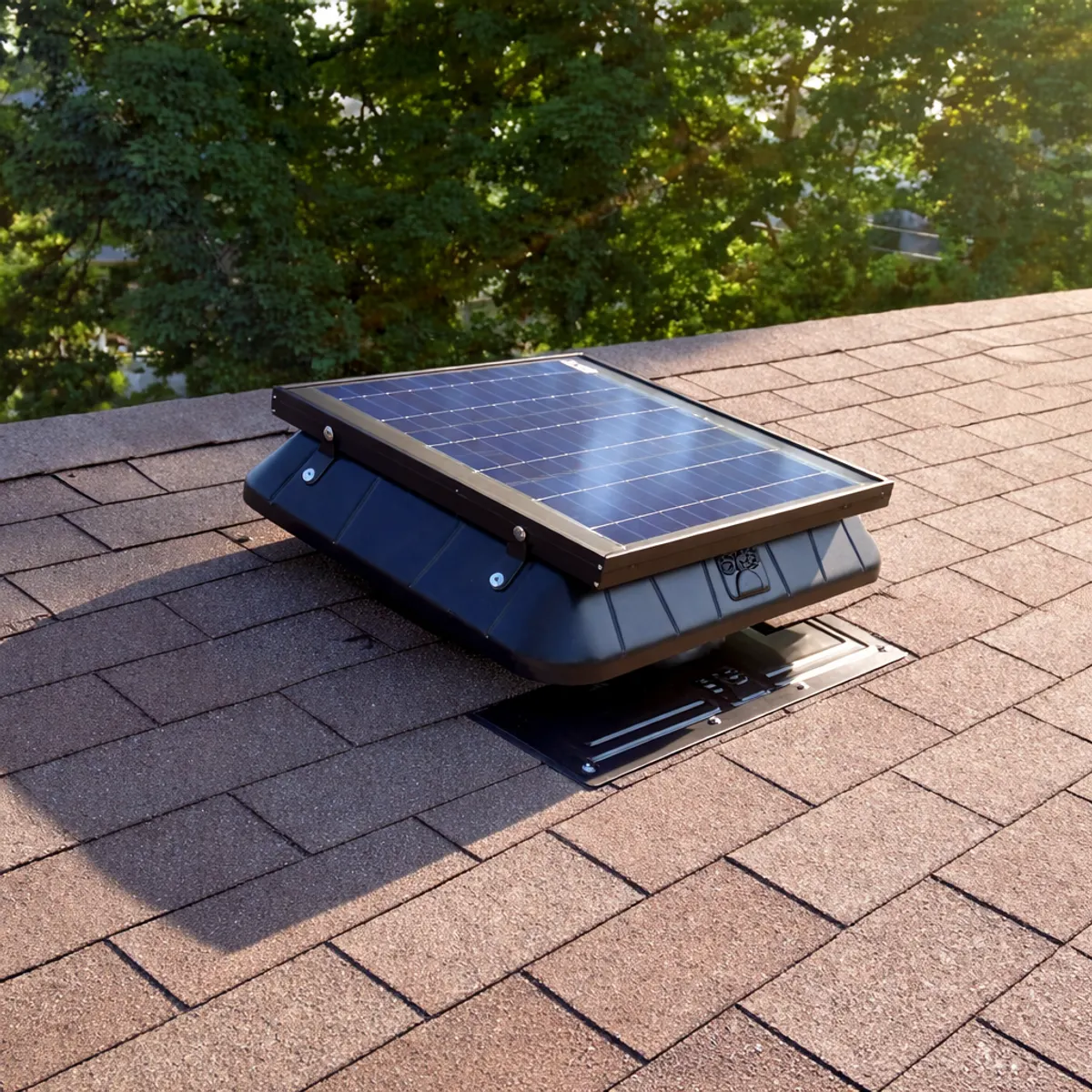
Ventilation guide
Use this guide when the insulation comparison raises questions about attic heat, airflow, or ventilation support.
Compare ventilationLocal service paths
The local pages keep the attic recommendation tied to the market team and the homes they are actually inspecting.
Salt Lake City • Local insulation path
Need attic insulation in Salt Lake City? Good Attic helps with blown-in attic insulation, old insulation removal, air sealing, hot and cold rooms, and energy waste with a cleaner, more complete attic plan.
Open local service
St. Louis • Local insulation path
Need attic insulation in St. Louis? Good Attic helps with blown-in attic insulation, hot upstairs rooms, winter heat loss, old insulation removal, and air sealing when the attic needs a fuller fix.
Open local service
Kansas City • Local insulation path
Need attic insulation in Kansas City? Good Attic helps with blown-in attic insulation, attic air sealing, winter heat loss, hot upstairs rooms, and underperforming insulation problems.
Open local serviceSource notes
These sources are included for context. They do not endorse Good Attic, and the right project scope still depends on documented attic conditions.
Reference
Official homeowner guidance on why attic air sealing and insulation work together for comfort and energy waste.
Open sourceReference
Climate-zone attic insulation guidance for comparing existing depth, target R-values, and retrofit decisions.
Open sourceReference
Reference guidance for insulation types, installation fit, and radiant barrier considerations.
Open sourceFAQ
No. Spray foam changes the attic assembly in a different way, and it is not automatically the right answer for every home or every budget.
Blown-in insulation usually makes sense when the attic remains a vented attic and needs a stronger, more consistent thermal layer after the right prep work.
Because spray foam, air sealing, blown-in insulation, and attic ventilation all affect how the attic manages heat, moisture, leakage, and comfort.
Next step
Start with the attic assessment. Once the attic strategy is clear, the material choice becomes much easier to defend.
Best next pages
These are the most relevant next pages from here based on the current attic topic, market, or support path.
Best next page
Review Attic Insulation Services to understand the core attic service path before moving into a local market page.
Open page
Best next page
Use Attic Insulation in Salt Lake City when you want attic guidance tied to a specific metro and service instead of a broader overview page.
Open page
Best next page
Use Attic Insulation in St. Louis when you want attic guidance tied to a specific metro and service instead of a broader overview page.
Open page
Best next page
Use Attic Insulation in Kansas City when you want attic guidance tied to a specific metro and service instead of a broader overview page.
Open page