It describes resistance to heat flow
The higher the resistance, the better the attic can usually slow down unwanted heat movement when the install is done well.
Resources • Insulation decisions
R-value gets mentioned constantly in attic conversations, but homeowners usually deserve more context than just a number. R-value helps describe thermal resistance, but a better attic plan still depends on attic condition, current depth, air leakage, and whether the space is actually ready for the next layer.
What R-value is actually describing
The higher the resistance, the better the attic can usually slow down unwanted heat movement when the install is done well.
The attic has to have the depth and consistency to achieve the performance the recommendation is aiming for.
A stronger number helps most when the attic is not leaking badly or sitting on top of compromised material.
Why the number is not the whole answer
If the current insulation is dirty, contaminated, or broken down, the attic can need a reset before a deeper target means much.
When major bypasses are still leaking, the insulation layer is being asked to perform over a weak boundary.
A homeowner may have insulation in the attic already and still not have a consistent enough layer to trust the performance.
What a better insulation recommendation includes
The recommendation should say whether the existing material is worth keeping, topping off, or replacing.
If sealing, cleanup, or pathway prep are needed, the attic plan should explain that before the new material gets installed.
The quote should help the homeowner understand what the attic is being improved toward, not just which number got quoted.
Best next pages
Core service
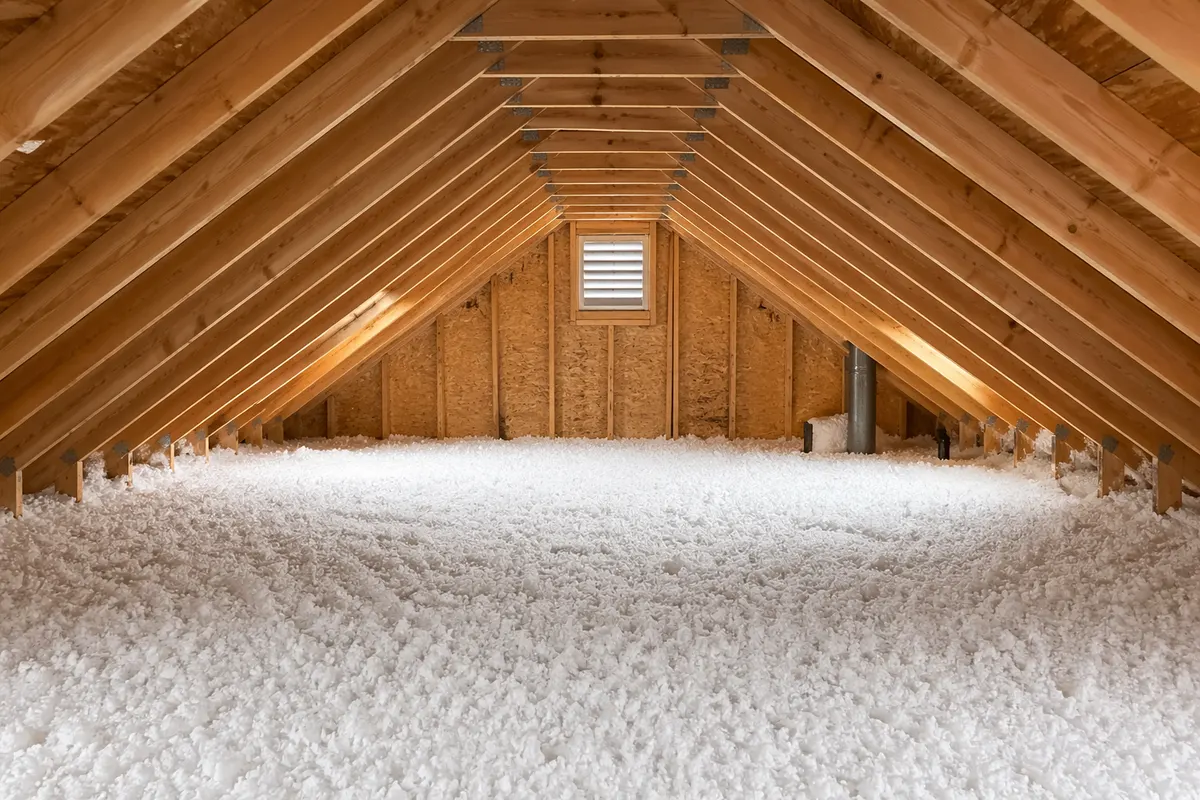
Upgrade underperforming attic insulation so the whole home feels steadier, cleaner, and more efficient.
View insulation service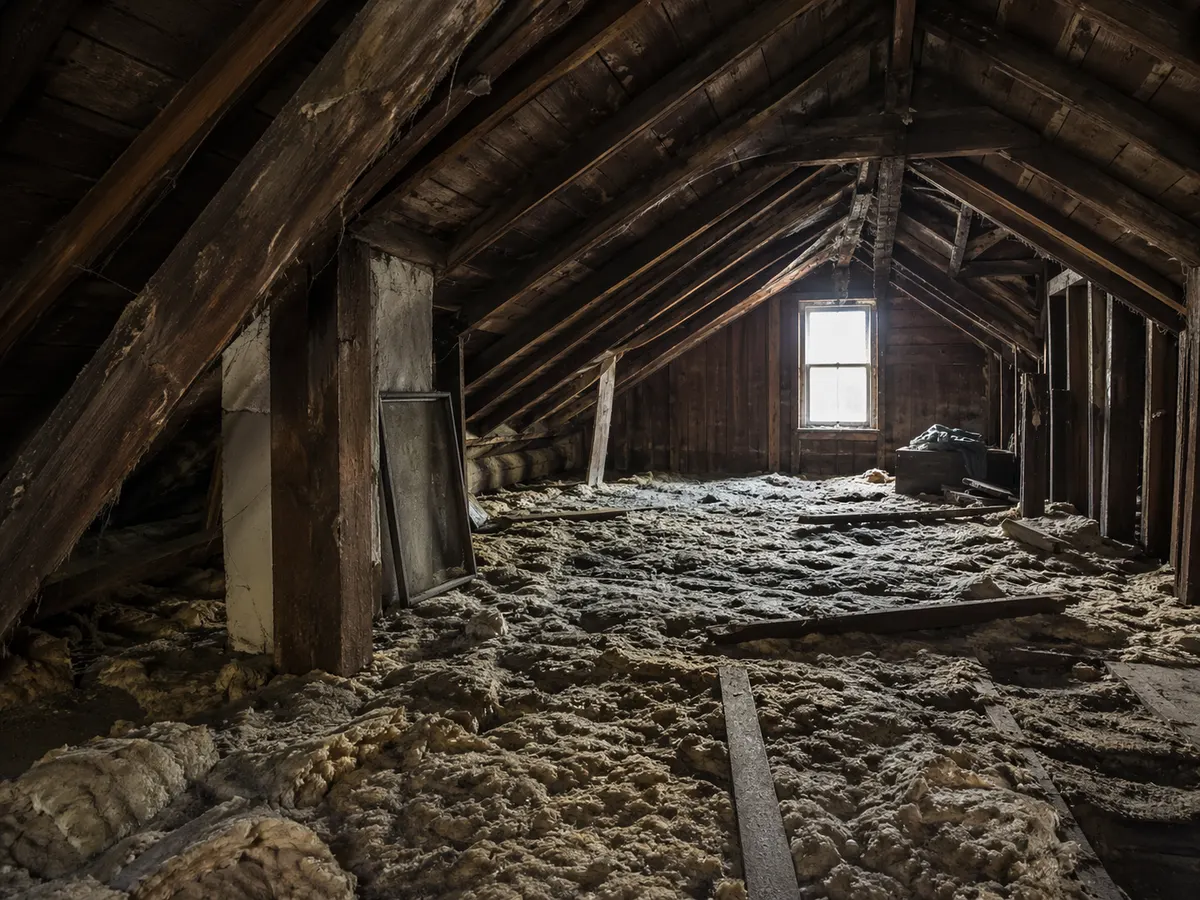
Scope decision
Use this guide when the bigger question is not just how much insulation to add, but whether the attic is worth building on first.
Compare scope paths
Research hub
Keep going through the decision layer if the attic still feels like a bigger system question than one insulation number.
Open resource hubLocal service paths
These market-specific insulation pages help turn the R-value conversation into a real attic recommendation.
Salt Lake City • Local insulation path
Need attic insulation in Salt Lake City? Good Attic helps with blown-in attic insulation, old insulation removal, air sealing, hot and cold rooms, and energy waste with a cleaner, more complete attic plan.
Open local service
St. Louis • Local insulation path
Need attic insulation in St. Louis? Good Attic helps with blown-in attic insulation, hot upstairs rooms, winter heat loss, old insulation removal, and air sealing when the attic needs a fuller fix.
Open local service
Kansas City • Local insulation path
Need attic insulation in Kansas City? Good Attic helps with blown-in attic insulation, attic air sealing, winter heat loss, hot upstairs rooms, and underperforming insulation problems.
Open local serviceSource notes
These sources are included for context. They do not endorse Good Attic, and the right project scope still depends on documented attic conditions.
Reference
Official homeowner guidance on why attic air sealing and insulation work together for comfort and energy waste.
Open sourceReference
Climate-zone attic insulation guidance for comparing existing depth, target R-values, and retrofit decisions.
Open sourceReference
Reference guidance for insulation types, installation fit, and radiant barrier considerations.
Open sourceFAQ
No. R-value matters, but attic condition, current coverage, leakage, contamination, and whether the space is ready for new insulation all affect the right recommendation too.
Yes. Homes can still feel off when the insulation is uneven, settled, buried over leakage points, or part of an attic that was never corrected as a full system.
Because the attic has to be ready for that target honestly. A deeper install does not fix contamination, access problems, or an open attic boundary underneath it.
Next step
The attic assessment is what separates a useful insulation recommendation from a number that sounds good but sits on top of the wrong conditions.
Best next pages
These are the most relevant next pages from here based on the current attic topic, market, or support path.
Best next page
Review Attic Insulation Services to understand the core attic service path before moving into a local market page.
Open page
Best next page
Use Attic Insulation in Salt Lake City when you want attic guidance tied to a specific metro and service instead of a broader overview page.
Open page
Best next page
Use Attic Insulation in St. Louis when you want attic guidance tied to a specific metro and service instead of a broader overview page.
Open page
Best next page
Use Attic Insulation in Kansas City when you want attic guidance tied to a specific metro and service instead of a broader overview page.
Open page