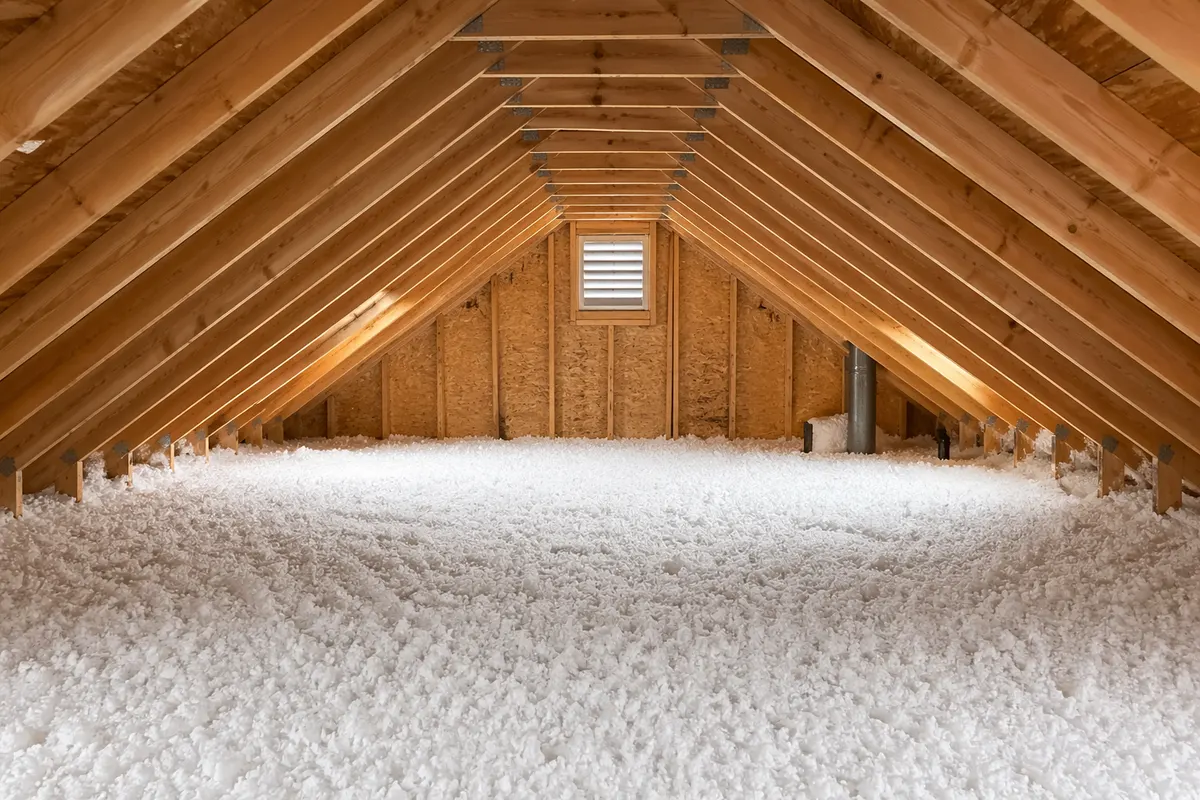
It fills irregular attic spaces more easily
Loose-fill material can settle around framing, low-clearance areas, and attic shapes that are difficult to cover with large rolls.
Resources • Insulation comparison
Blown-in attic insulation and rolled insulation can both be useful, but they are not interchangeable answers for every attic. If you are comparing them because of hot rooms, energy bills, or thin attic coverage, the better choice depends on access, existing material, coverage gaps, air leakage, contamination, and whether the attic needs prep work before anything new is installed.
Where blown-in insulation usually fits
Loose-fill material can settle around framing, low-clearance areas, and attic shapes that are difficult to cover with large rolls.
When installed correctly, blown-in insulation can reduce gaps and thin spots across the attic floor.
The material should usually follow cleanup, air sealing, baffles, and any needed removal instead of covering problems that should remain visible.
Where rolled insulation can struggle
Batts lose effectiveness when they are cut poorly, squeezed into spaces, or left with uncovered edges.
Wiring, framing, low slopes, and mechanical penetrations can make rolled insulation harder to place consistently.
If the attic already has dirty, compressed, or pest-affected insulation, the first decision may be removal versus top-off, not blown versus rolled.
How Good Attic thinks about the choice
Air leaks, access limitations, and contaminated material can change the scope before material type is even discussed.
Once the attic is ready, the final insulation approach should support the depth, coverage, and performance target.
A good quote should explain why the chosen insulation approach fits the actual attic, not just which product was sold.
Best next pages
Core service
Upgrade underperforming attic insulation so the whole home feels steadier, cleaner, and more efficient.
View insulation service
Depth guide
Use this guide when the question moves from insulation type to how much insulation the attic should actually have.
Compare depth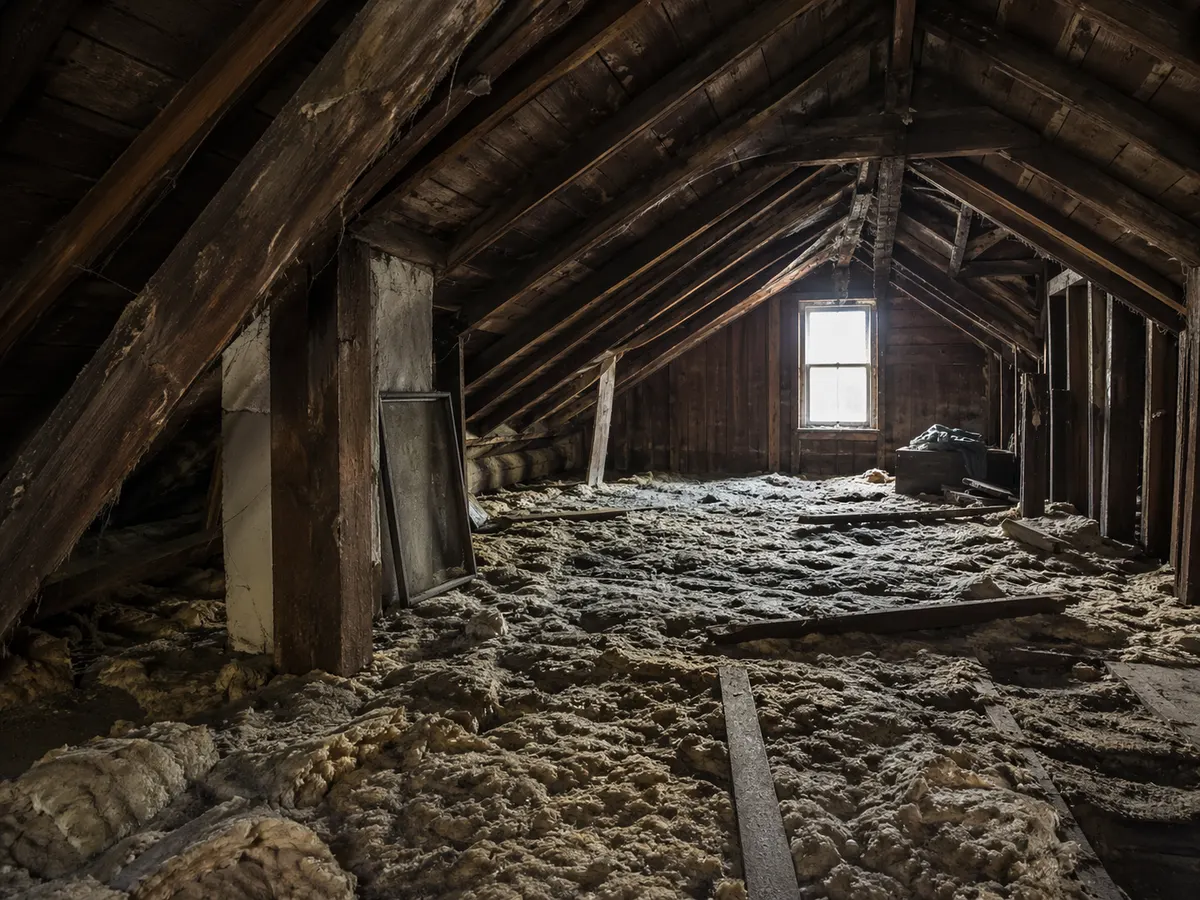
Scope decision
Use this guide when the bigger question is whether the old insulation is still worth building on.
Compare scopeLocal service paths
These pages connect the insulation choice to the local team, service number, and market-specific attic conditions.
Salt Lake City • Local insulation path
Need attic insulation in Salt Lake City? Good Attic helps with blown-in attic insulation, old insulation removal, air sealing, hot and cold rooms, and energy waste with a cleaner, more complete attic plan.
Open local service
St. Louis • Local insulation path
Need attic insulation in St. Louis? Good Attic helps with blown-in attic insulation, hot upstairs rooms, winter heat loss, old insulation removal, and air sealing when the attic needs a fuller fix.
Open local service
Kansas City • Local insulation path
Need attic insulation in Kansas City? Good Attic helps with blown-in attic insulation, attic air sealing, winter heat loss, hot upstairs rooms, and underperforming insulation problems.
Open local serviceSource notes
These sources are included for context. They do not endorse Good Attic, and the right project scope still depends on documented attic conditions.
Reference
Official homeowner guidance on why attic air sealing and insulation work together for comfort and energy waste.
Open sourceReference
Climate-zone attic insulation guidance for comparing existing depth, target R-values, and retrofit decisions.
Open sourceReference
Reference guidance for insulation types, installation fit, and radiant barrier considerations.
Open sourceFAQ
Often, blown-in insulation is easier to install evenly across open attic floors and around irregular framing, but the right answer depends on the attic layout and condition.
Yes. Rolled batts can fit some defined spaces, but they need careful installation and can underperform when gaps, compression, or obstacles prevent consistent coverage.
Usually, yes. Air sealing and prep work should be considered before the final insulation layer because new material does not close the attic bypasses underneath it.
Next step
The cleanest answer comes after the attic condition, leakage, access, and existing insulation are documented.
Best next pages
These are the most relevant next pages from here based on the current attic topic, market, or support path.
Best next page
Review Attic Insulation Services to understand the core attic service path before moving into a local market page.
Open page
Best next page
Use Attic Insulation in Salt Lake City when you want attic guidance tied to a specific metro and service instead of a broader overview page.
Open page
Best next page
Use Attic Insulation in St. Louis when you want attic guidance tied to a specific metro and service instead of a broader overview page.
Open page
Best next page
Use Attic Insulation in Kansas City when you want attic guidance tied to a specific metro and service instead of a broader overview page.
Open page