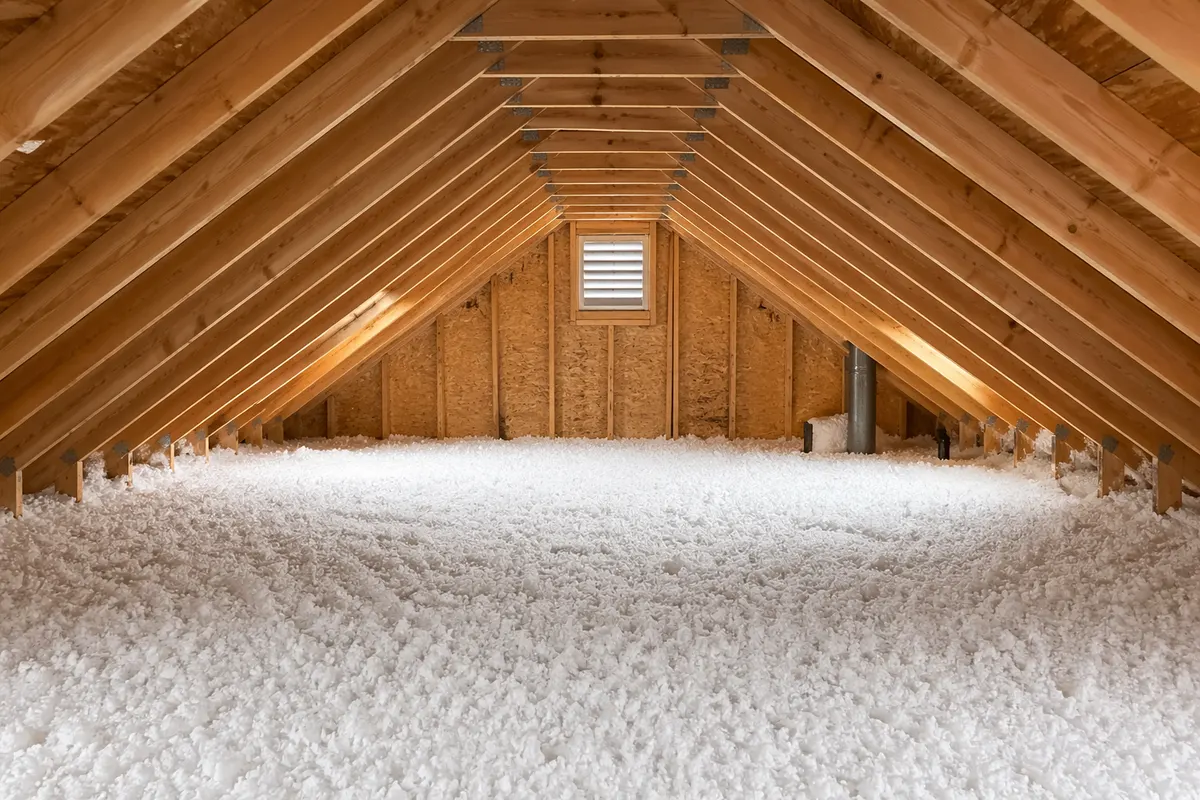
It can cover irregular attic areas
Loose-fill cellulose can settle around framing, wiring, and uneven attic shapes when installed correctly.
Resources • Material comparison
Cellulose and fiberglass are often compared like simple product labels, but the better attic decision depends on the house, the existing insulation, attic access, air leakage, moisture history, pest history, and the depth and coverage target. The material matters. The attic it is going into matters more.
Where cellulose usually fits
Loose-fill cellulose can settle around framing, wiring, and uneven attic shapes when installed correctly.
The material name does not solve the project by itself. Installed depth, coverage consistency, and settling expectations all matter.
If the existing attic is contaminated, damp, or too uneven to build on honestly, material choice should come after the cleanup and prep decision.
Where fiberglass usually fits
The comparison is not always cellulose versus rolled fiberglass. Some attics use blown fiberglass as the final coverage layer.
Fiberglass needs to keep its intended thickness and continuity. Poor cuts, gaps, and compressed areas can reduce the value of the install.
Baffles, ventilation paths, and attic airflow details can change how well the final insulation layer holds up over time.
How to make the decision
Old, dirty, settled, or pest-affected insulation may push the project toward removal before either material is added.
Air bypasses should be discussed before the final insulation layer because new material does not close the holes underneath it.
The recommendation should explain why the chosen material, depth, and sequence fit the home instead of relying on a universal product answer.
Best next pages
Core service
Upgrade underperforming attic insulation so the whole home feels steadier, cleaner, and more efficient.
View insulation service
Install format
Use this guide when the material question also needs the loose-fill versus batt installation comparison.
Compare install format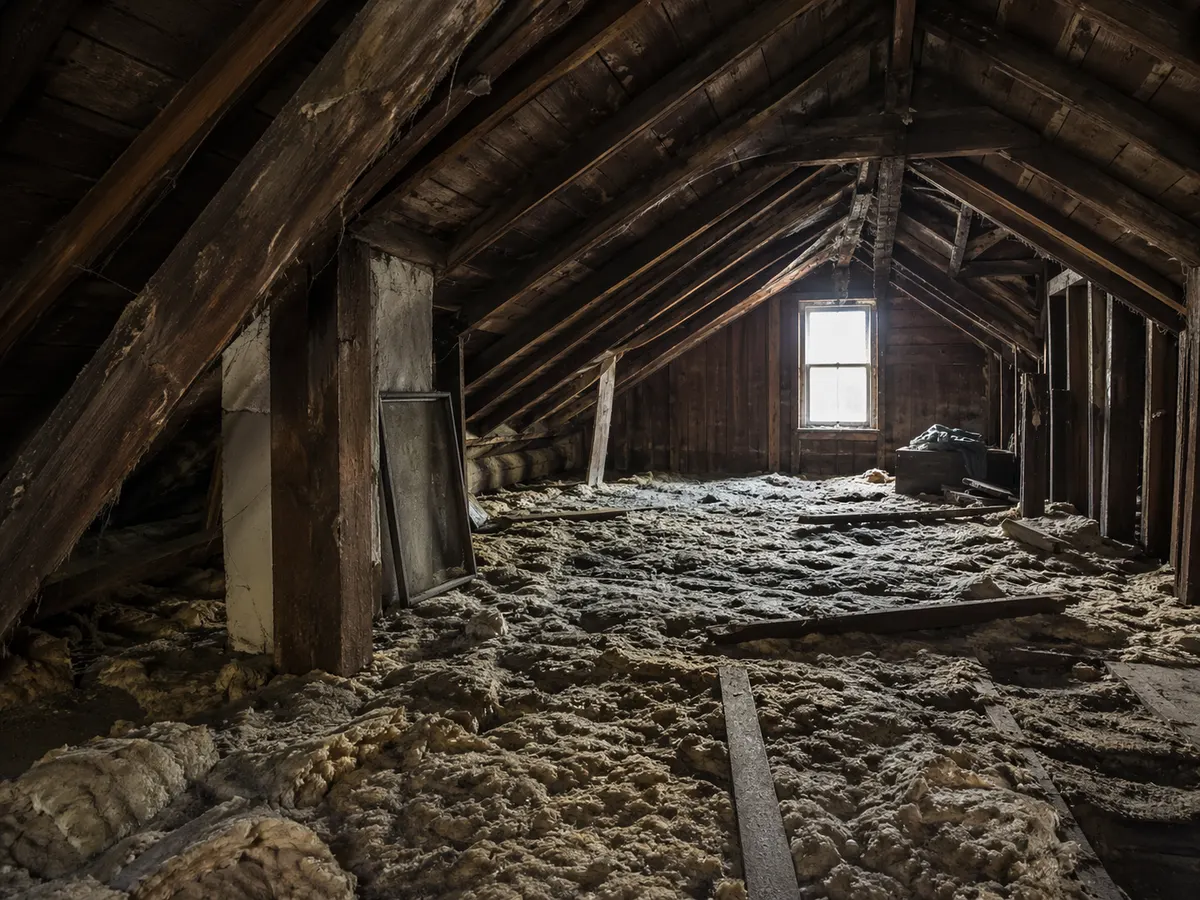
Scope decision
Use this guide when the existing attic material may not be clean or stable enough to build on.
Compare scopeLocal service paths
The local service pages connect material questions to the market team, service number, and attic conditions homeowners are actually dealing with.
Salt Lake City • Local insulation path
Need attic insulation in Salt Lake City? Good Attic helps with blown-in attic insulation, old insulation removal, air sealing, hot and cold rooms, and energy waste with a cleaner, more complete attic plan.
Open local service
St. Louis • Local insulation path
Need attic insulation in St. Louis? Good Attic helps with blown-in attic insulation, hot upstairs rooms, winter heat loss, old insulation removal, and air sealing when the attic needs a fuller fix.
Open local service
Kansas City • Local insulation path
Need attic insulation in Kansas City? Good Attic helps with blown-in attic insulation, attic air sealing, winter heat loss, hot upstairs rooms, and underperforming insulation problems.
Open local serviceSource notes
These sources are included for context. They do not endorse Good Attic, and the right project scope still depends on documented attic conditions.
Reference
Official homeowner guidance on why attic air sealing and insulation work together for comfort and energy waste.
Open sourceReference
Climate-zone attic insulation guidance for comparing existing depth, target R-values, and retrofit decisions.
Open sourceReference
Reference guidance for insulation types, installation fit, and radiant barrier considerations.
Open sourceFAQ
Not universally. Cellulose and fiberglass can both be useful attic materials, but the best fit depends on the attic condition, install quality, coverage target, and whether prep work is needed first.
Yes. Fiberglass can perform well when it is installed at the right depth, kept consistent, protected from wind washing, and not compressed or interrupted by gaps.
Usually no. Air sealing, access, old insulation condition, and ventilation details should be evaluated before treating material choice as the whole plan.
Next step
A stronger recommendation starts with the attic condition, then chooses the material and sequence that fit the home.
Best next pages
These are the most relevant next pages from here based on the current attic topic, market, or support path.

Best next page
Open Salt Lake City Market Hub for the full local market hub, service pages, city support pages, and the right market contact path.
Open page
Best next page
Open St. Louis Market Hub for the full local market hub, service pages, city support pages, and the right market contact path.
Open page
Best next page
Open Kansas City Market Hub for the full local market hub, service pages, city support pages, and the right market contact path.
Open page
Best next page
Use Attic Resources as the supporting guide before choosing the next attic service or local market path.
Open page