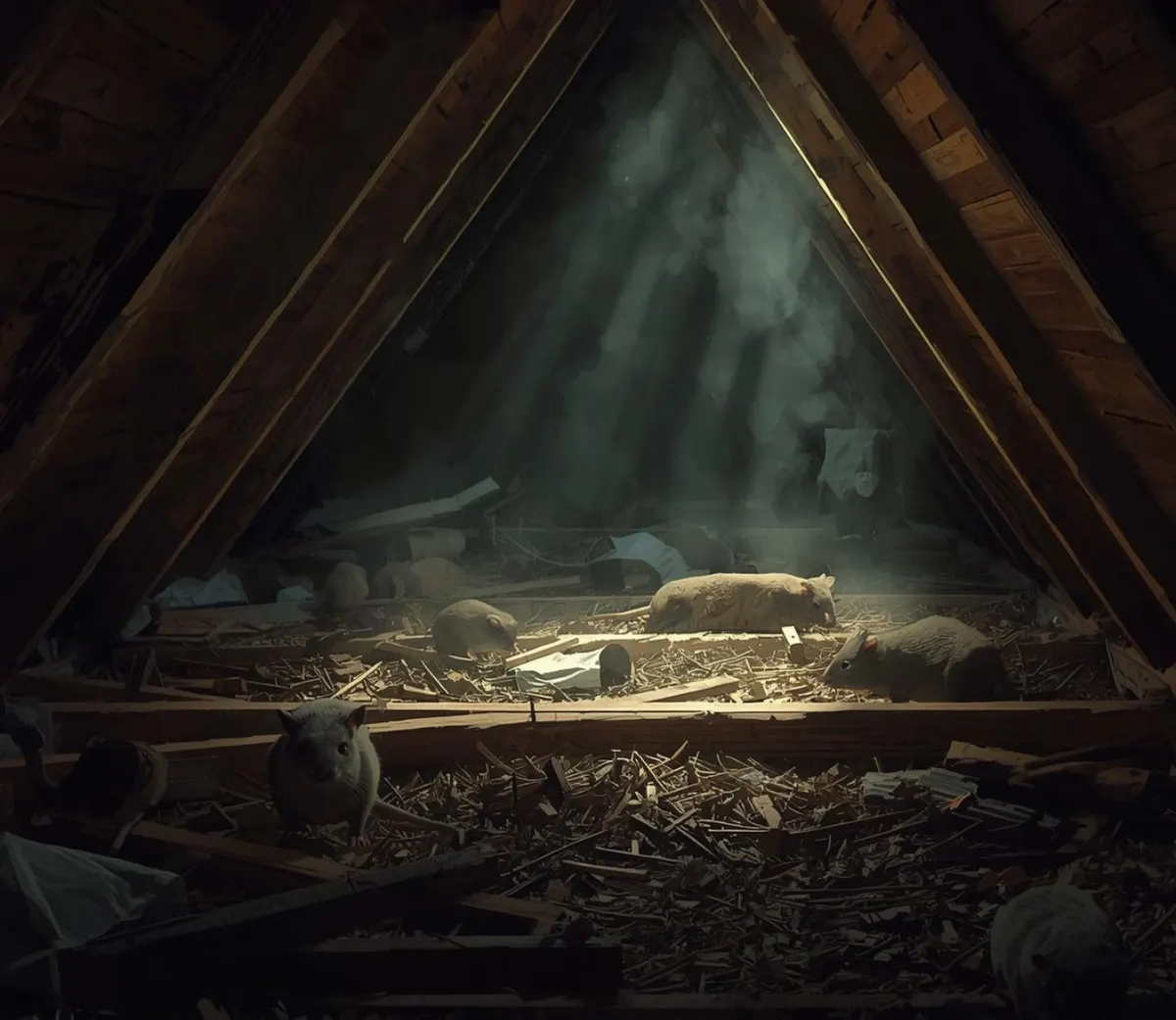
Visible debris or droppings
Loose nesting material, waste, and concentrated mess usually mean the attic needs more than a cosmetic touch-up.
Resources • Cleanup decisions
A lot of homeowners assume the problem ends once the animals are gone. In reality, the attic can stay unhealthy long after that point if droppings, nesting debris, damaged insulation, and odor are still sitting above the ceiling.
What homeowners usually notice
Loose nesting material, waste, and concentrated mess usually mean the attic needs more than a cosmetic touch-up.
Pests often leave insulation physically damaged and no longer worth treating like a clean base layer.
That kind of attic smell usually points to contamination that still needs to be removed or sanitized.
Why the attic still needs attention
If the material is contaminated or damaged enough, the attic often needs removal before it can become healthy again.
The attic may need direct restoration steps beyond simply installing new insulation.
That finish line is bigger than just removing the worst visible debris. It means making the attic easier to trust.
What the better next step looks like
The attic should be evaluated as a whole instead of assuming the issue stopped where the first visible mess was found.
That may include damaged insulation, contaminated debris, and sanitation work that supports a healthier finish.
The strongest outcome comes when the attic is restored, not merely cleaned enough to move on from.
Best next pages
Core service
Clean up the attic after rodents or other attic pests so the space can be sanitary, usable, and ready for restoration.
View remediation service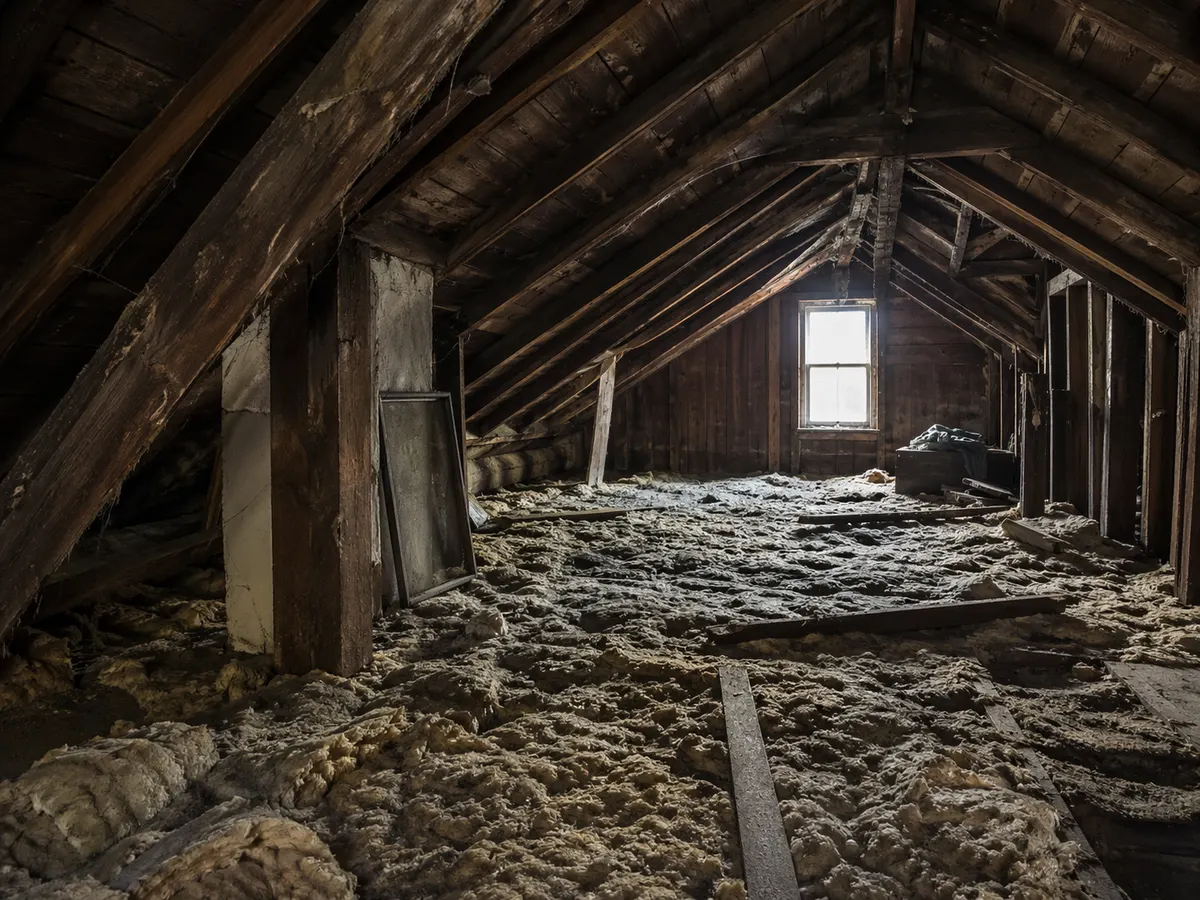
Reset the attic
Remove compromised attic material so the space can be cleaned up, sealed, and rebuilt the right way.
View removal service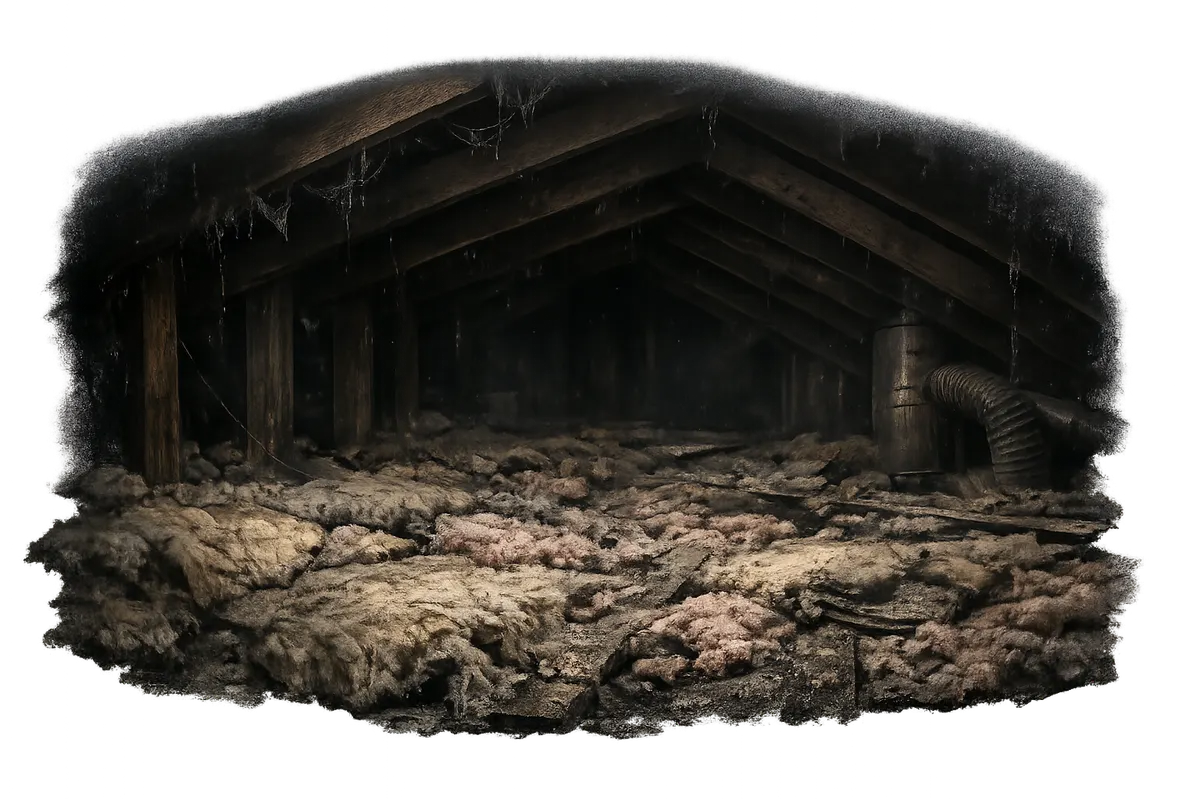
Next step
If the attic has visible contamination or odor, the documented assessment is the cleanest way to decide how complete the cleanup needs to be.
Start a requestLocal service paths
These pages connect the contamination decision directly to the metro team that can explain cleanup and restoration in local context.
Salt Lake City • Local remediation path
Get help with rodent-contaminated insulation, nesting debris, attic odors, and attic pest cleanup in Salt Lake City with a restoration plan that finishes the attic properly.
Open local service
St. Louis • Local remediation path
Get help with attic pest contamination, nesting debris, rodent damage, and attic cleanup in St. Louis with a scope built around restoration, not shortcuts.
Open local service
Kansas City • Local remediation path
Get help with attic pest cleanup, rodent-damaged insulation, nesting debris, and attic contamination in Kansas City with a plan that puts the attic back together cleanly.
Open local serviceSource notes
These sources are included for context. They do not endorse Good Attic, and the right project scope still depends on documented attic conditions.
Reference
Official homeowner guidance on why attic air sealing and insulation work together for comfort and energy waste.
Open sourceReference
Climate-zone attic insulation guidance for comparing existing depth, target R-values, and retrofit decisions.
Open sourceReference
Public health guidance for safely handling rodent urine, droppings, nesting material, and heavy infestations.
Open sourceReference
Official guidance that moisture control is central to mold prevention and cleanup decisions.
Open sourceFAQ
Pest control or exclusion addresses the animals. Attic remediation addresses the contaminated insulation, nesting debris, droppings, odor, and restoration work left behind.
Not always every inch, but affected material usually needs more than surface attention. The attic has to be inspected to see how widespread the contamination really is.
Odor, visible nesting debris, droppings, torn insulation, dusty material, and attic sections that no longer feel clean or trustworthy are some of the most common signs.
Next step
The next step is to document what is still in the attic and decide whether cleanup, removal, sanitation, and rebuild work belong together.
Best next pages
These are the most relevant next pages from here based on the current attic topic, market, or support path.
Best next page
Review Attic Pest Remediation Services to understand the core attic service path before moving into a local market page.
Open page
Best next page
Use Attic Pest Remediation in Salt Lake City when you want attic guidance tied to a specific metro and service instead of a broader overview page.
Open page
Best next page
Use Attic Pest Remediation in St. Louis when you want attic guidance tied to a specific metro and service instead of a broader overview page.
Open page
Best next page
Use Attic Pest Remediation in Kansas City when you want attic guidance tied to a specific metro and service instead of a broader overview page.
Open page