The insulation layer is not strong enough
When the attic coverage is thin, settled, or inconsistent, upper rooms can feel the seasonal load more intensely than the rest of the home.
Resources • Comfort symptoms
This is one of the most common attic-driven complaints because upstairs discomfort is rarely caused by just one thing. The attic may be under-insulated, leaking at the boundary, trapping too much heat, or carrying a combination of problems that keep the upper floor from stabilizing.
What can be driving the symptom
When the attic coverage is thin, settled, or inconsistent, upper rooms can feel the seasonal load more intensely than the rest of the home.
Open bypasses and ceiling-plane leakage let conditioned air escape and allow attic conditions to influence the rooms below more directly.
When excess attic heat builds up, the upstairs often feels it first, especially in rooms with more roof exposure or broader upper-floor surfaces.
Why one simple guess often misses it
A better thermal layer matters, but if the attic boundary is still open or the space needs a reset first, the result can still feel incomplete.
In some homes ventilation support helps. In others it gets too much attention when the bigger issue is still insulation or leakage.
When comfort complaints, dust, contamination, or inconsistent coverage all overlap, the homeowner usually needs a more complete attic plan.
What the better next step looks like
The assessment should show what the insulation, boundary, and heat-management conditions look like where the comfort complaint is strongest.
The homeowner should learn whether the bigger problem is under-insulation, leakage, trapped heat, or a combination.
That can mean insulation, air sealing, fan support, or a larger attic reset depending on what the attic evidence actually shows.
Best next pages
Core service
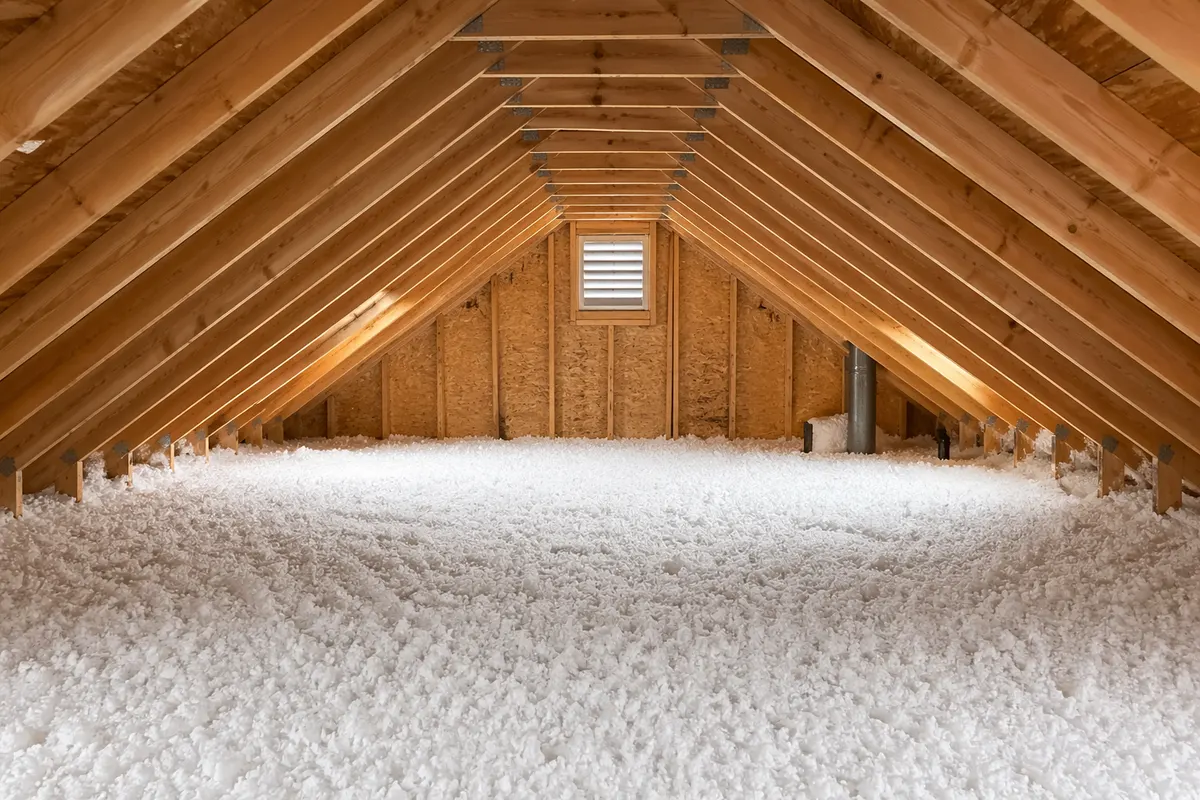
Upgrade underperforming attic insulation so the whole home feels steadier, cleaner, and more efficient.
View insulation path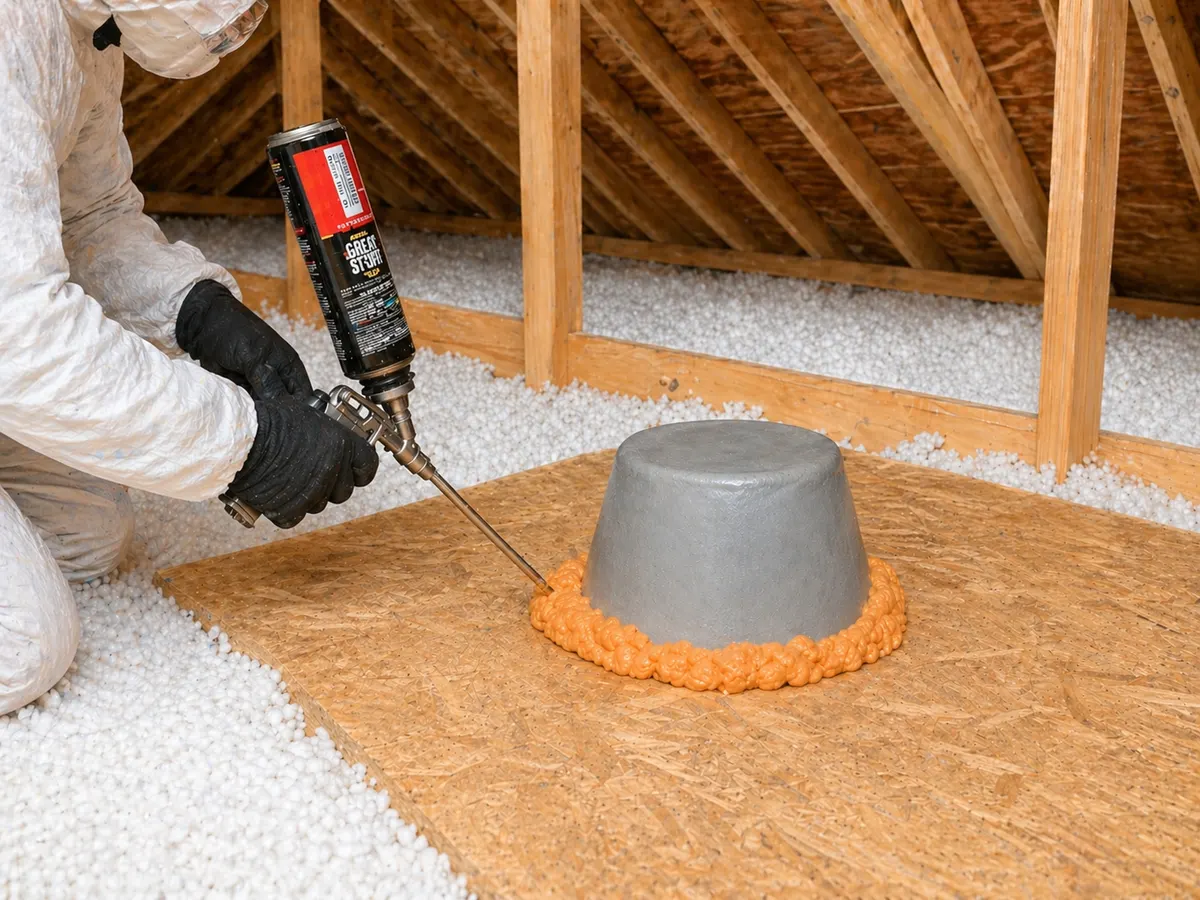
Boundary path
Stop conditioned air from leaking into the attic and dusty attic air from drifting back into the home.
Compare sealing path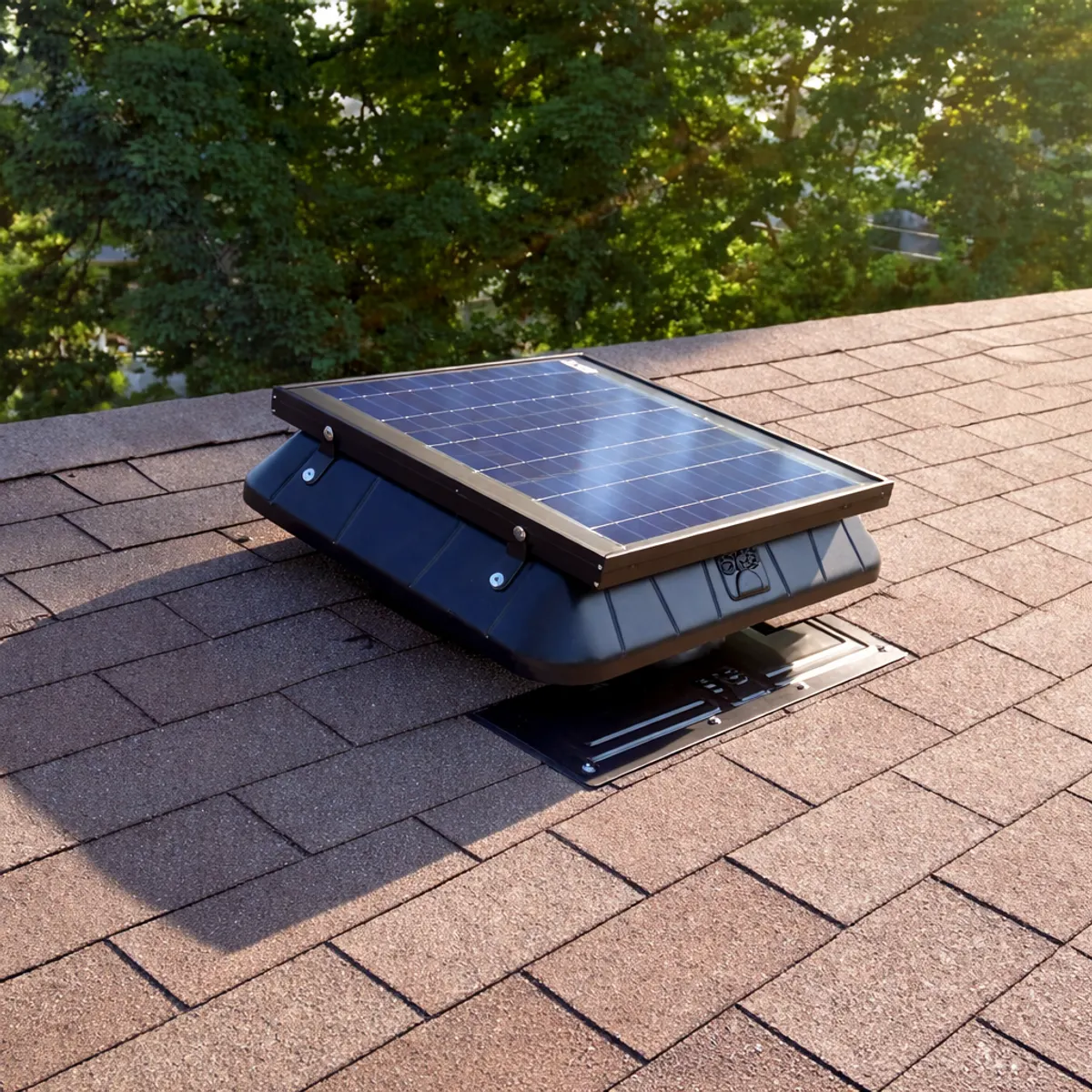
Ventilation decision
Use this guide when the comfort symptom might be pushing the attic fan conversation too early or too simply.
Read fan guideChoose the right market
These market pages are the cleanest way to move from the comfort symptom into local service pages and the right contact path.

Salt Lake City • Comfort path
Use Salt Lake City to compare the local insulation, air sealing, and attic fan pages that usually matter most when upstairs rooms are running hot.
Open market hub
St. Louis • Comfort path
Use St. Louis to compare the local insulation, air sealing, and attic fan pages that usually matter most when upstairs rooms are running hot.
Open market hub
Kansas City • Comfort path
Use Kansas City to compare the local insulation, air sealing, and attic fan pages that usually matter most when upstairs rooms are running hot.
Open market hubSource notes
These sources are included for context. They do not endorse Good Attic, and the right project scope still depends on documented attic conditions.
Reference
Official homeowner guidance on why attic air sealing and insulation work together for comfort and energy waste.
Open sourceReference
Climate-zone attic insulation guidance for comparing existing depth, target R-values, and retrofit decisions.
Open sourceReference
Building-science guidance that attic floor penetrations should be sealed before insulating existing vented attics.
Open sourceReference
Guidance on prioritizing air sealing and insulation projects around comfort, drafts, and energy use.
Open sourceFAQ
Yes. Weak insulation, leakage at the attic floor, and excess attic heat can all push the upstairs harder than the rest of the house and make the AC feel less effective.
Not always. Insulation is often part of the answer, but many homes also need air sealing, cleanup before re-insulating, or a broader look at how the attic is handling heat.
The attic can affect rooms unevenly depending on coverage gaps, roof exposure, upper-floor layout, and where the attic boundary is weaker over specific parts of the home.
Next step
The attic assessment is built to turn the comfort complaint into a documented scope instead of another guess about what the house might need.
Best next pages
These are the most relevant next pages from here based on the current attic topic, market, or support path.
Best next page
Review Attic Fan Services to understand the core attic service path before moving into a local market page.
Open page
Best next page
Use Attic Fans in Salt Lake City when you want attic guidance tied to a specific metro and service instead of a broader overview page.
Open page
Best next page
Use Attic Fans in St. Louis when you want attic guidance tied to a specific metro and service instead of a broader overview page.
Open page
Best next page
Use Attic Fans in Kansas City when you want attic guidance tied to a specific metro and service instead of a broader overview page.
Open page