Heavy attic heat buildup
Attics that trap too much heat can put pressure on insulation, roofing materials, and upstairs comfort.
St. Louis • Attic Fans
Good Attic provides attic fan solutions in St. Louis to help manage attic heat buildup and support better attic airflow through the hottest part of the year.
What this service solves
Attics that trap too much heat can put pressure on insulation, roofing materials, and upstairs comfort.
Attic heat can contribute to rooms that lag behind the rest of the home and HVAC equipment that never seems to catch up.
A fan can be the right support move when it fits the attic and the broader attic system.
Search intent this page answers
These phrases are worked into the page because they match real homeowner intent, not because every exact phrase belongs in every paragraph.
Ventilation searches usually come from hot upstairs rooms, extreme attic heat, or concerns about roof and insulation performance. Good Attic checks airflow before treating a fan as the only answer.
An attic fan can help when the attic has the right intake path and heat buildup pattern, but it should fit the whole attic system rather than cover up insulation or air-sealing problems.
Many homeowners reach attic fan research because the top floor will not cool down. The right recommendation may include insulation, sealing, ventilation, or a fan depending on the inspection.
Attic fan fit
This section answers high-intent attic fan, attic ventilation, solar attic fan, and hot upstairs searches while keeping the recommendation tied to inspection findings.
St. Louis attic fan conversations often start with humid summer heat, hot second floors, older attic layouts, and homes where ventilation has to be weighed against insulation and air sealing first.
second floors, kneewall-adjacent rooms, and upper bedrooms that drift away from the rest of the home can come from attic heat buildup, thin insulation, air leaks, weak airflow, or several of those problems working together.
Good Attic should inspect the attic as a system before recommending a fan so the product supports the solution instead of distracting from the real problem.
Ventilation support
The best fan page explains intake, exhaust, attic boundary health, and why a fan is not the same thing as fixing insulation or air leakage.
Because St. Louis homes often have mixed-age ventilation paths, the fan recommendation should verify intake and exhaust instead of assuming a powered fan is automatically the right fix.
If conditioned air is leaking into the attic, a fan may not solve the homeowner's comfort complaint until air sealing and insulation are addressed.
Fans help manage attic heat and airflow. Insulation and sealing control heat transfer and air movement between the attic and living space.
Fan cost drivers
We are keeping the page useful and SEO-safe by explaining scope drivers instead of inventing a one-size-fits-all price before inspection.
Solar fan, powered fan, roof location, gable location, access, and installation path can all change the scope.
A fan should be matched to the attic's intake and exhaust story so it does not create a mismatched airflow problem.
St. Louis attic fan installation cost changes with attic layout, fan type, roof or gable placement, wiring path, ventilation balance, and whether air sealing or insulation should lead the scope.
Fan, insulation, or air sealing
This section connects attic fan searches back to the whole attic system, which is stronger for rankings and better for homeowner trust.
The strongest fan recommendation happens when the attic has a real heat-management problem and the rest of the attic system is healthy enough to benefit.
If the attic is thinly insulated, leaky, dirty, or compromised, the fan may be a secondary step rather than the lead solution.
Homeowners need a clear reason why the fan is being recommended, what it will and will not solve, and how it fits the whole attic plan.
City page strategy
The market fan page should carry the deeper ventilation and heat-management explanation. City pages add local hot-room relevance, proof, reviews, and routes into the right attic system decision.
City support page
Chesterfield supports the St. Louis attic fan page with local hot-room language, proof, reviews, and nearby homeowner context without replacing the main ventilation page.
View city pageCity support page
St. Charles supports the St. Louis attic fan page with local hot-room language, proof, reviews, and nearby homeowner context without replacing the main ventilation page.
View city pageCity support page
Ballwin supports the St. Louis attic fan page with local hot-room language, proof, reviews, and nearby homeowner context without replacing the main ventilation page.
View city pageCity support page
O'Fallon supports the St. Louis attic fan page with local hot-room language, proof, reviews, and nearby homeowner context without replacing the main ventilation page.
View city pageCity support page
St. Peters supports the St. Louis attic fan page with local hot-room language, proof, reviews, and nearby homeowner context without replacing the main ventilation page.
View city pageCity support page
Clayton supports the St. Louis attic fan page with local hot-room language, proof, reviews, and nearby homeowner context without replacing the main ventilation page.
View city pageCity support page
Des Peres supports the St. Louis attic fan page with local hot-room language, proof, reviews, and nearby homeowner context without replacing the main ventilation page.
View city pageCity support page
Frontenac supports the St. Louis attic fan page with local hot-room language, proof, reviews, and nearby homeowner context without replacing the main ventilation page.
View city pageCity support page
Town and Country supports the St. Louis attic fan page with local hot-room language, proof, reviews, and nearby homeowner context without replacing the main ventilation page.
View city pageCity support page
Wildwood supports the St. Louis attic fan page with local hot-room language, proof, reviews, and nearby homeowner context without replacing the main ventilation page.
View city pageLocal attic patterns
The goal is to explain what is actually happening in attics across St. Louis, not just repeat a generic service description.
In St. Louis, heat buildup, humidity management, and ventilation support that works with the full attic instead of fighting it can make homeowners think of fans quickly, but the best answer depends on how insulation, sealing, and airflow are already working.
second floors, kneewall-adjacent rooms, and upper bedrooms that drift away from the rest of the home often feel the impact first when attic temperatures stay elevated and the home never quite cools off the way it should.
The strongest attic fan recommendations usually happen after confirming that the attic is actually a good fit and not simply under-insulated or leaky.
Home-service local path
Good Attic is a home-service attic company. The assessment happens where the attic is, so this page keeps local relevance tied to the St. Louis team, service-area coverage, and documented attic findings instead of relying on walk-in office traffic.
Use 314-931-2620 for the St. Louis contact path. The goal is to get the attic details to the team that serves the home, not send the homeowner through a generic national handoff.
Attic condition, access, insulation depth, air leakage, ventilation clues, and contamination all have to be reviewed at the property before the scope can be recommended responsibly.
This attic fans page connects the service question to the St. Louis market team, local city coverage, and the 314-931-2620 call or text path. It supports local search without implying a walk-in storefront or separate branch in every nearby city.
Inspection checkpoints
A stronger recommendation comes from reading the attic correctly first, especially when comfort, contamination, and energy loss are overlapping.
We look at the current intake and exhaust path because a fan should not be dropped into an attic without understanding how air is already supposed to move.
If the attic boundary is weak, a fan alone may not give the homeowner the result they expect.
Placement, power source, and attic layout all matter when deciding whether a fan solution makes practical sense.
The point is not just adding a product. It is supporting a cooler, better-managed attic without creating a mismatched scope.
Inspection proof
These are the kinds of attic conditions and finish-quality checkpoints the team documents so the recommendation is tied to visible findings instead of generic assumptions.
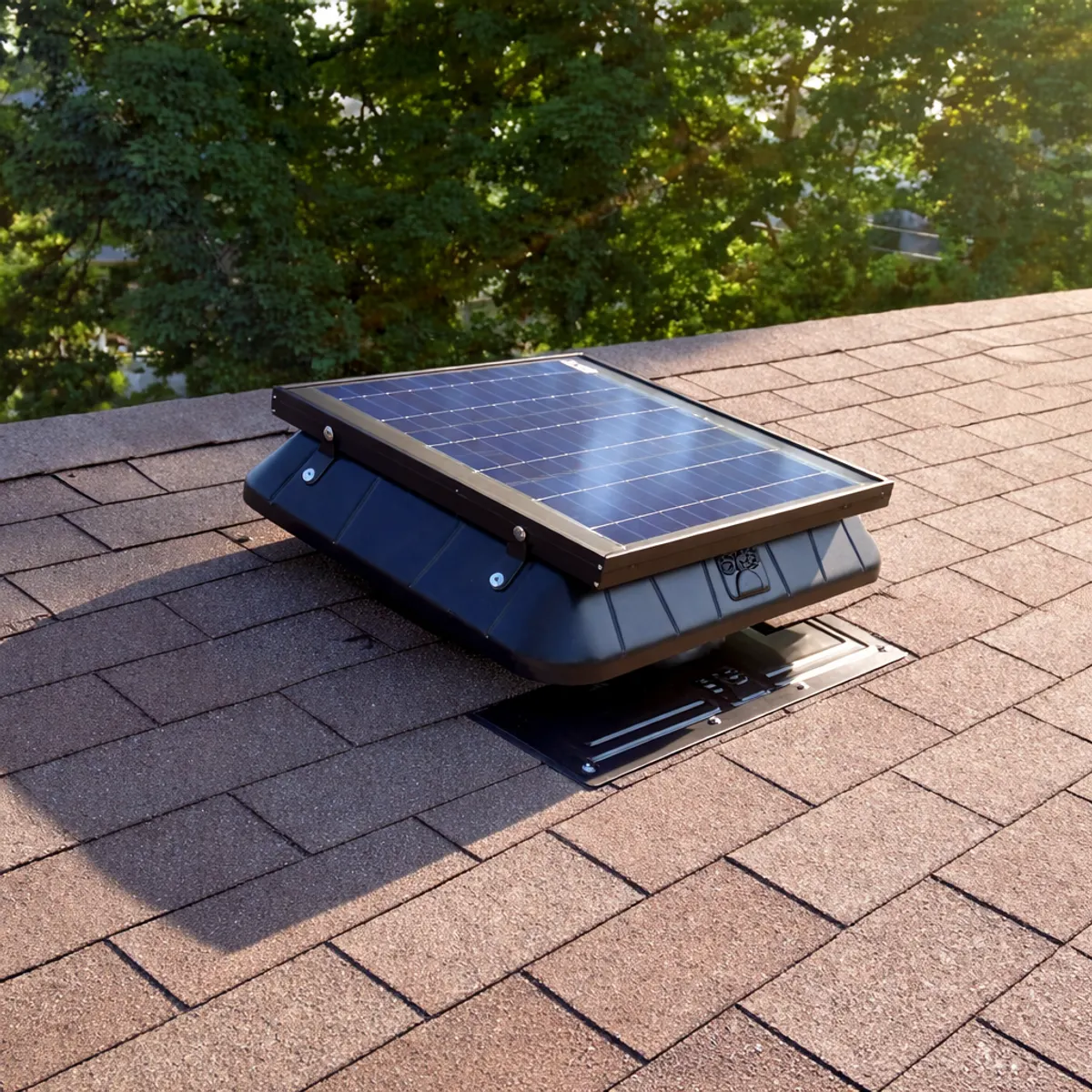
In St. Louis, Good Attic documents whether the fan conversation is actually about trapped heat, weak insulation, open bypasses, or a combination.
The fan should support the attic system, not hide what is wrong with it.
The attic has to be a real candidate for fan support, which means documenting how the current airflow path is working before a product gets recommended.
Good fan recommendations come after the airflow story is clear.
When the attic is a strong fit, the end result should show a fan that belongs in a broader comfort strategy rather than acting like a stand-alone fix.
Heat-management products should fit the attic, not lead it blindly.When it fits
Fans work best as part of a fit-based approach, not as a blind one-size-fits-all answer.
If the attic runs excessively hot, better airflow may deserve a place in the plan.
Ventilation should support the full attic strategy instead of fighting it.
Scope decisions
These are the moments where the attic usually needs a broader plan so the homeowner gets a cleaner, more durable result.
Some St. Louis homes need more insulation, better air sealing, or a cleaner attic reset before a fan deserves to be the lead recommendation.
If the attic floor is leaking badly or the insulation is weak, the fan may end up supporting a system that still has major gaps.
The best-performing projects often pair heat-management improvements with the insulation and sealing work that keeps the attic from drifting backward.
What the scope can include
Good Attic is not trying to oversell the project. The point is to sequence the right work so the attic finishes cleaner and performs better.
The attic should earn the recommendation through the inspection, not get one because the symptom sounds familiar.
A better fan install is built around how the attic is laid out and what the home is trying to solve.
When needed, fan work should sit alongside insulation, sealing, or cleanup improvements instead of pretending those issues do not exist.
Nearby cities
These city pages confirm nearby service coverage while keeping the project connected to the right metro team.
Service area
In Chesterfield, homeowners often call when larger suburban homes have upstairs comfort issues, high seasonal energy bills, or attics that clearly need more than a quick insulation guess. Good Attic helps Chesterfield homeowners solve those attic issues with attic insulation, removal, pest remediation, fans, and air sealing.
View city pageService area
In St. Charles, attic problems often show up across both older homes and newer suburban properties as hot upstairs rooms, dusty insulation, or attics that need a cleaner reset after years of wear. Good Attic helps St. Charles homeowners solve those problems with attic insulation, removal, pest remediation, attic fans, and air sealing.
View city pageService area
In Ballwin, families often notice attic issues through rooms that feel too hot, too cold, or just harder to keep stable than the rest of the house. Good Attic helps Ballwin homeowners solve those attic problems with insulation, removal, pest remediation, attic fans, and air sealing.
View city pageService area
In O'Fallon, homeowners often deal with builder-grade attic performance, summer attic heat, and upstairs rooms that never quite settle into the same comfort as the rest of the house. Good Attic helps O'Fallon homeowners solve those issues with insulation, removal, pest remediation, fans, and air sealing.
View city pageRelated services
These related services often come up in the same attic assessment because comfort, cleanup, airflow, and insulation usually overlap.
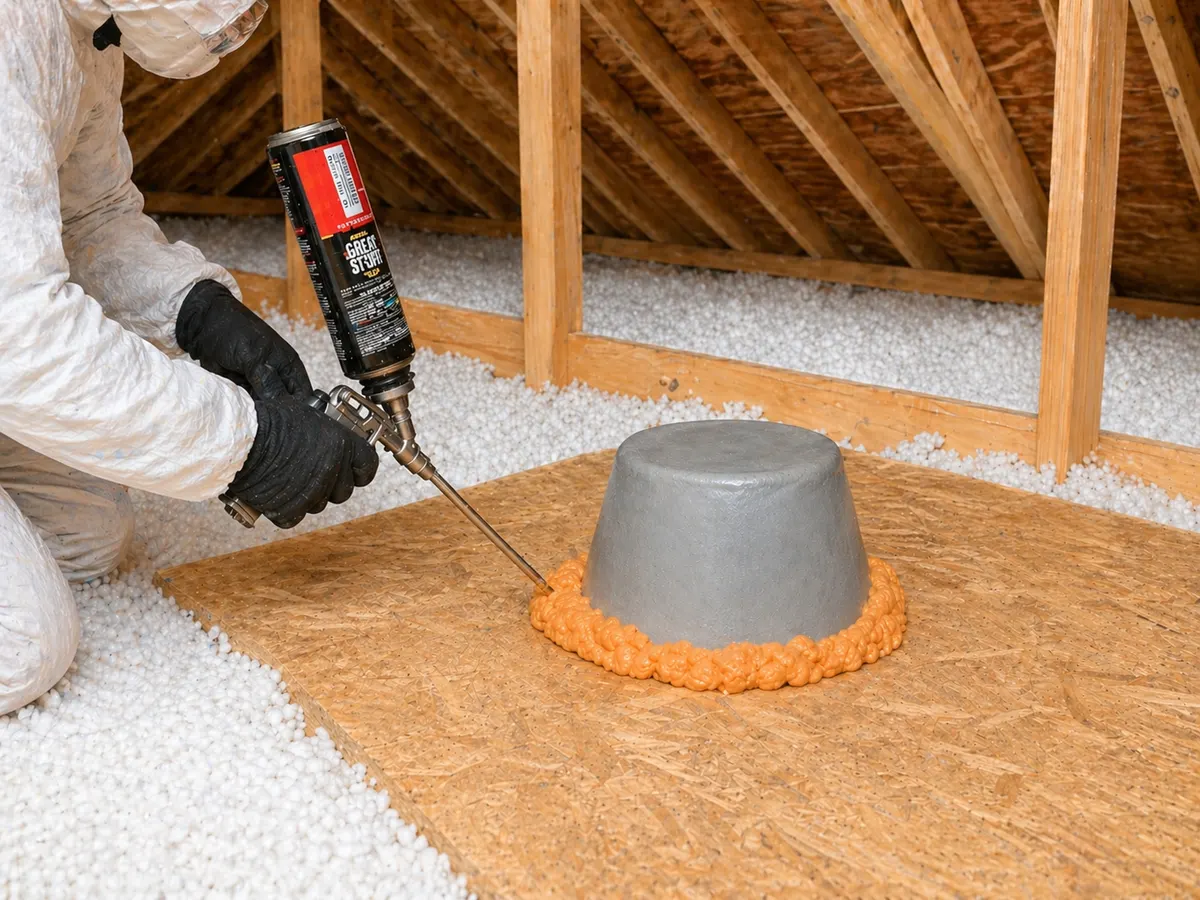
Related service
Stop conditioned air from leaking into the attic and dusty attic air from drifting back into the home.
View related service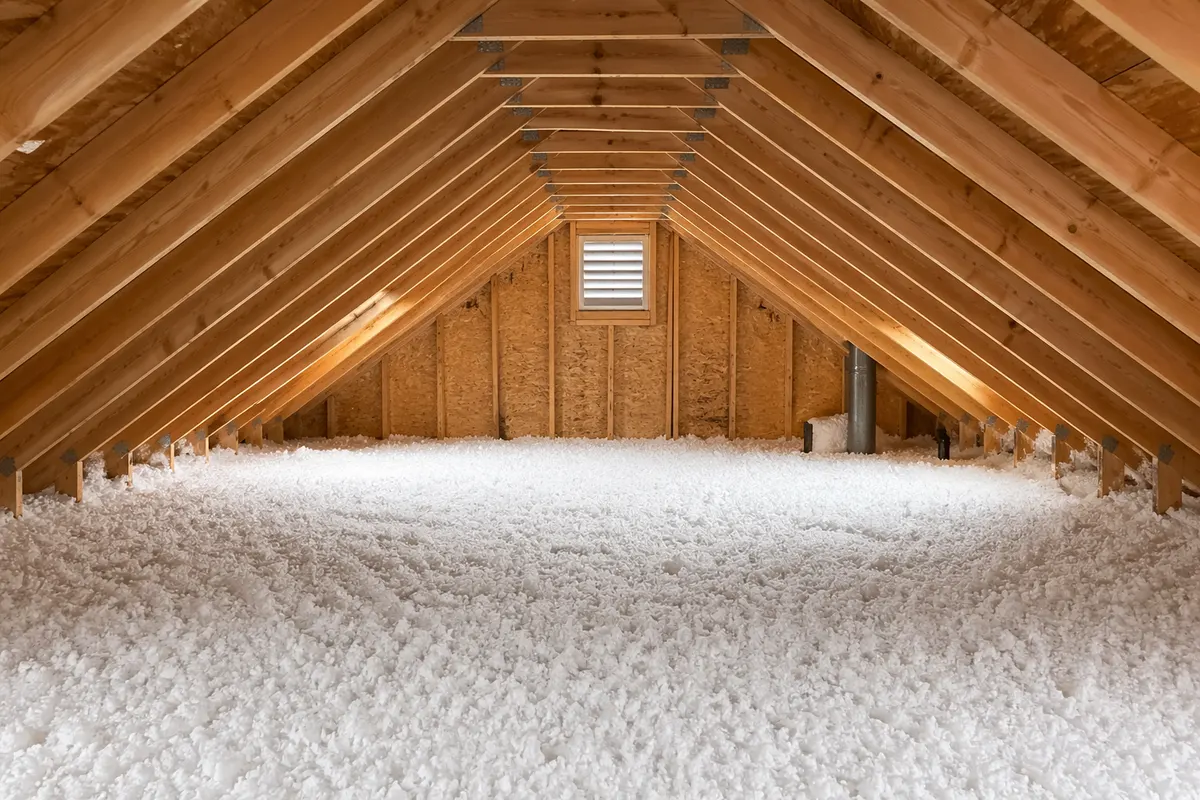
Related service
Upgrade underperforming attic insulation so the whole home feels steadier, cleaner, and more efficient.
View related service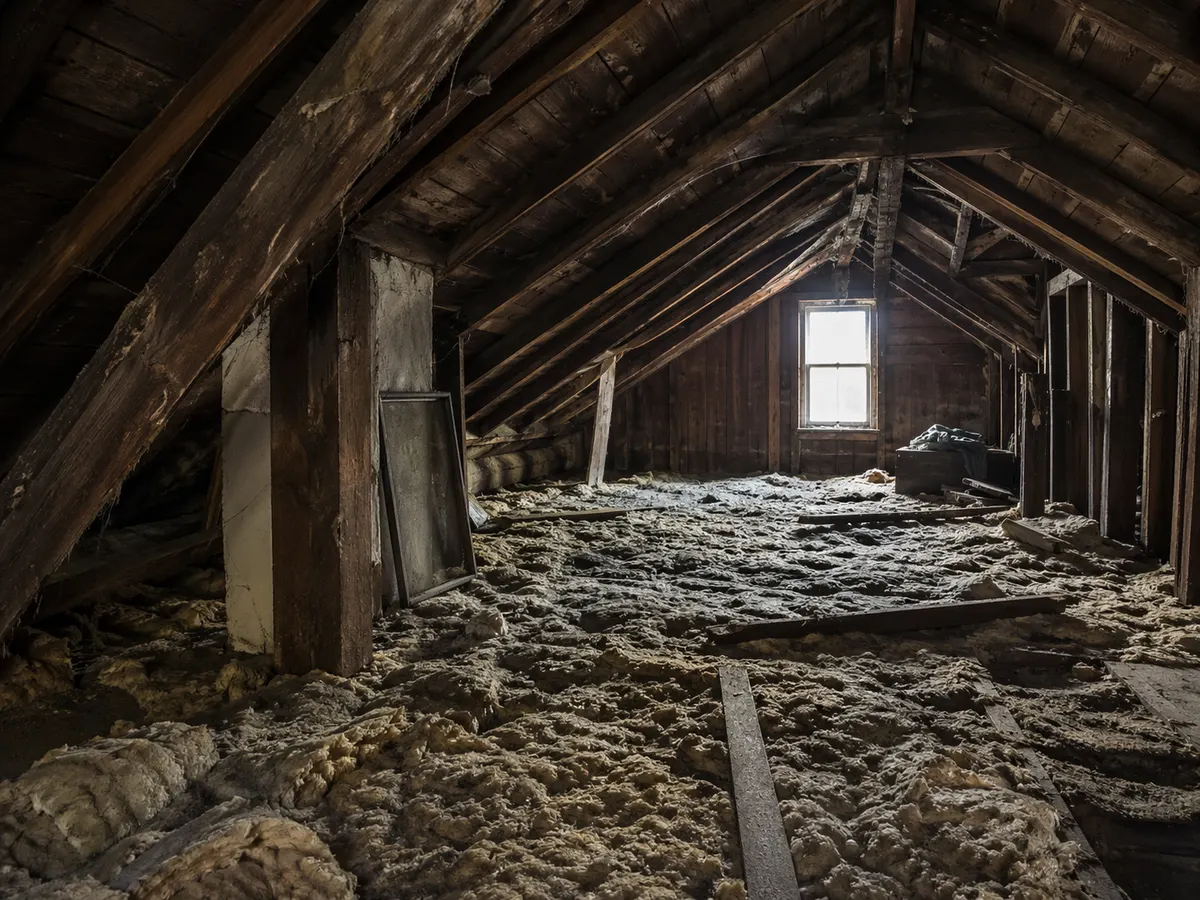
Related service
Remove compromised attic material so the space can be cleaned up, sealed, and rebuilt the right way.
View related serviceFAQ
Not always. A fan can help when it is the right fit, but insulation depth, air sealing, and the attic condition still matter.
We look at the attic as a system first so the recommendation fits the home instead of being forced into every project.
Yes. They are often most valuable when they support a broader comfort and performance plan.
No. Some attics are a strong fit for fan support, but others need insulation, air sealing, or cleanup first. The attic should be inspected as a system before locking in that recommendation.
It becomes more compelling when the attic clearly struggles with heat buildup and the rest of the attic boundary is healthy enough that a fan can support, rather than mask, the real solution.
Local contact
Call or text the St. Louis team directly, or use the quote modal for a quick start. Financing stays linked here because larger attic scopes often need it.
Best next pages
These are the most relevant next pages from here based on the current attic topic, market, or support path.

Best next page
Open St. Louis Market Hub for the full local market hub, service pages, city support pages, and the right market contact path.
Open page
Best next page
Review Attic Fan Services to understand the core attic service path before moving into a local market page.
Open page
Best next page
Use Attic Fan vs Ventilation Fix as the supporting guide before choosing the next attic service or local market path.
Open page
Best next page
Use Why Upstairs Rooms Stay Hot as the supporting guide before choosing the next attic service or local market path.
Open page