Hot upstairs rooms in St. Louis are usually not solved by guessing at one product. The attic has to be read as a system: insulation depth, air leakage, ventilation paths, attic access, and the condition of the material already in place. In St. Louis, humid summers, cold winter drafts, and shoulder-season swings that can expose weak attic insulation and air leakage, so the right next step is a documented attic assessment instead of a quick top-off assumption.
Why upstairs rooms in St. Louis can stay hot even when the AC is running.
The attic is often the missing middle between the thermostat and the rooms that never feel right.
The roof is loading the attic with heat
In St. Louis, humid summers, cold winter drafts, and shoulder-season swings that can expose weak attic insulation and air leakage. If attic heat is not buffered well, upper rooms can feel hotter than the rest of the house.
Air leaks bypass the insulation
Leaks at attic bypasses, plumbing and wiring penetrations, access hatches, kneewall edges, and older framing gaps that can leak conditioned air can let conditioned air escape while attic heat presses back into the living space.
The attic may not be ready for a top-off
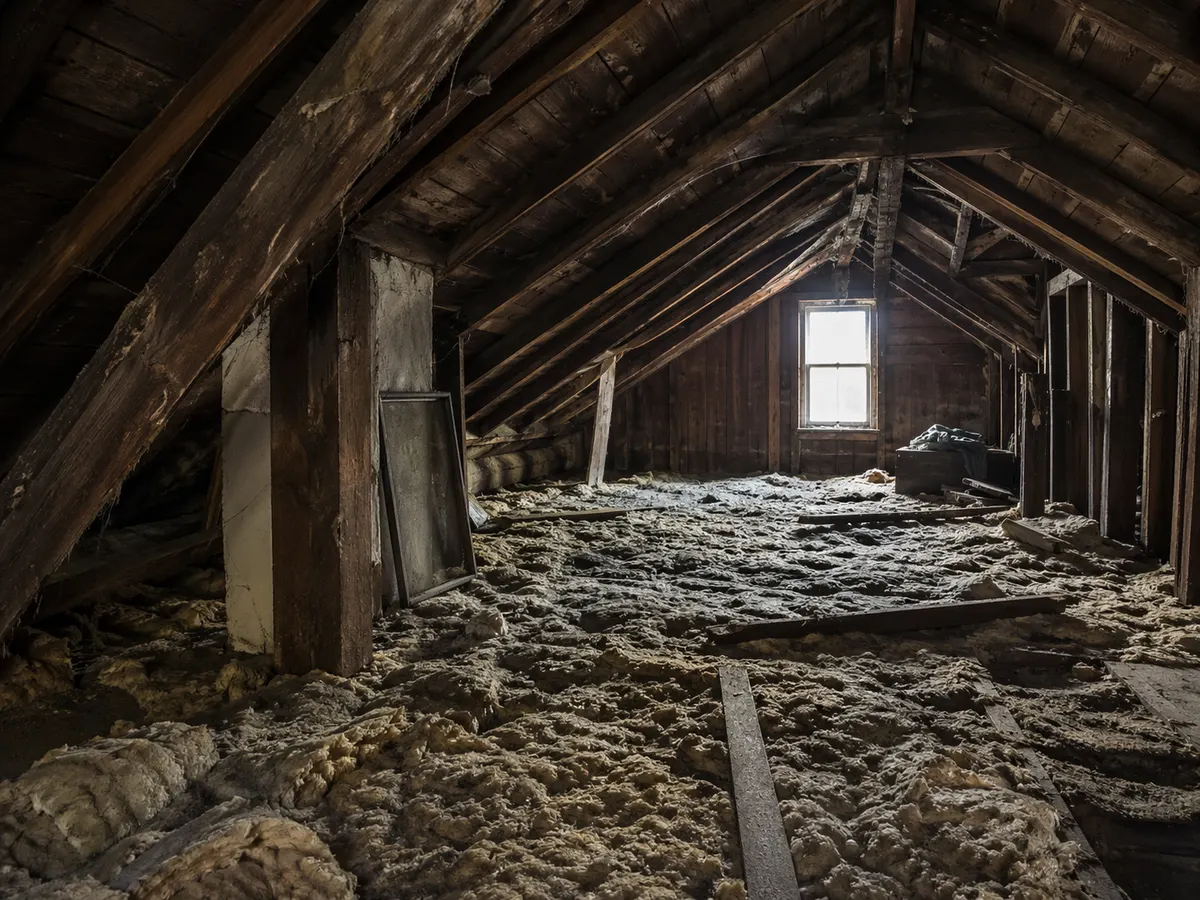
If the existing material is thin, uneven, dirty, or compressed, more insulation alone may hide the deeper attic issue.
The room location matters
hot second floors, stale upper bedrooms, and rooms under older rooflines where insulation depth alone may not explain the complaint often need a more careful attic read than open rooms below the main attic field.
Better diagnosis
What to inspect before paying for another comfort fix.
Insulation coverage
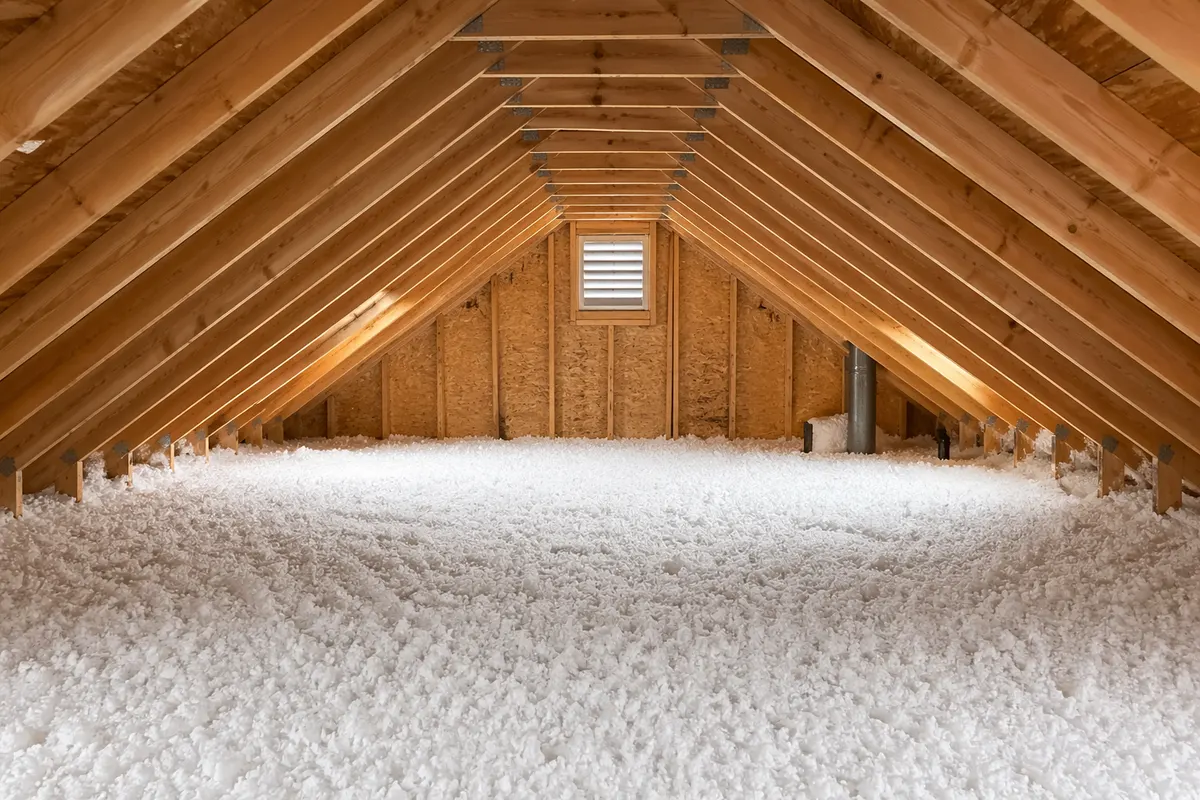
Depth, evenness, edge coverage, and access-area gaps should be checked before assuming the attic only needs more material.
Air sealing opportunities
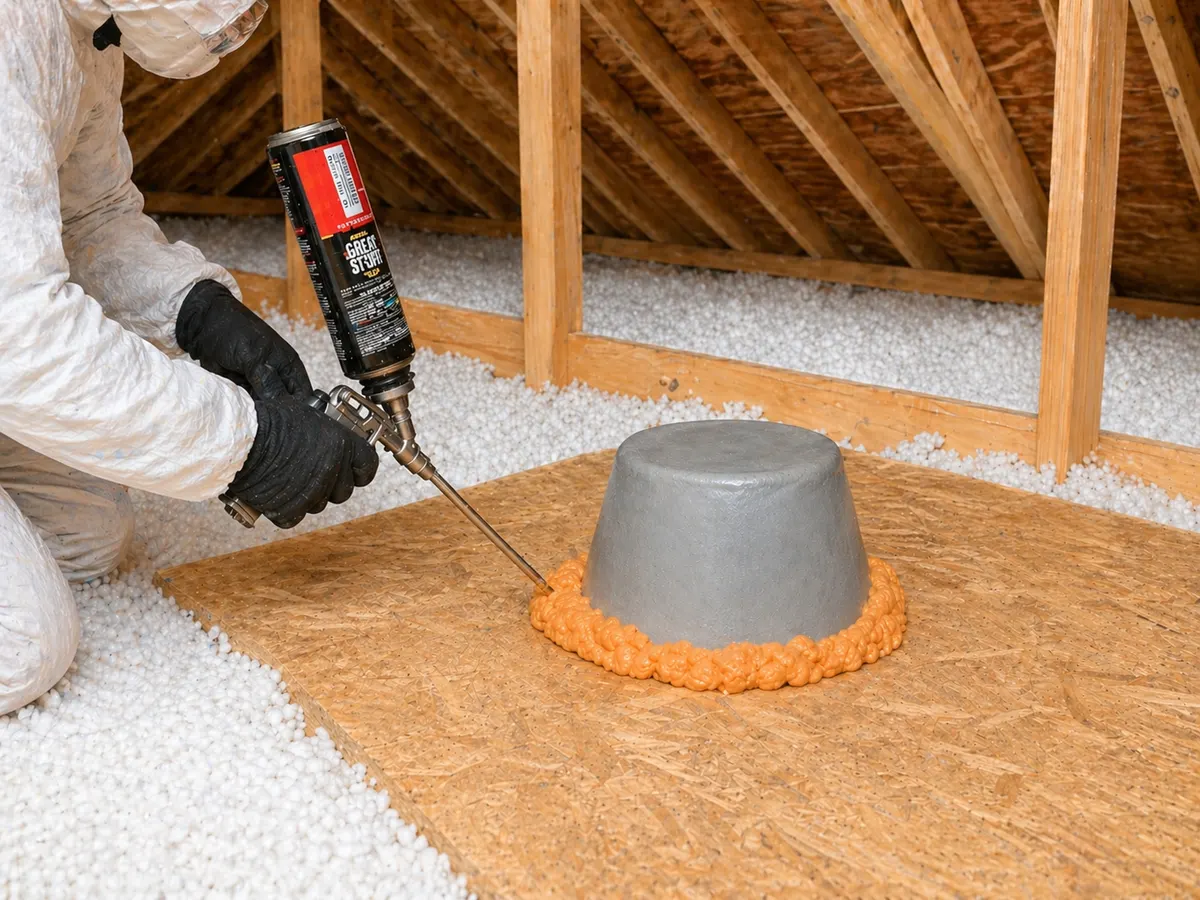
The inspection should look for bypasses that make the upper floor feel hot even when insulation appears present.
Ventilation path
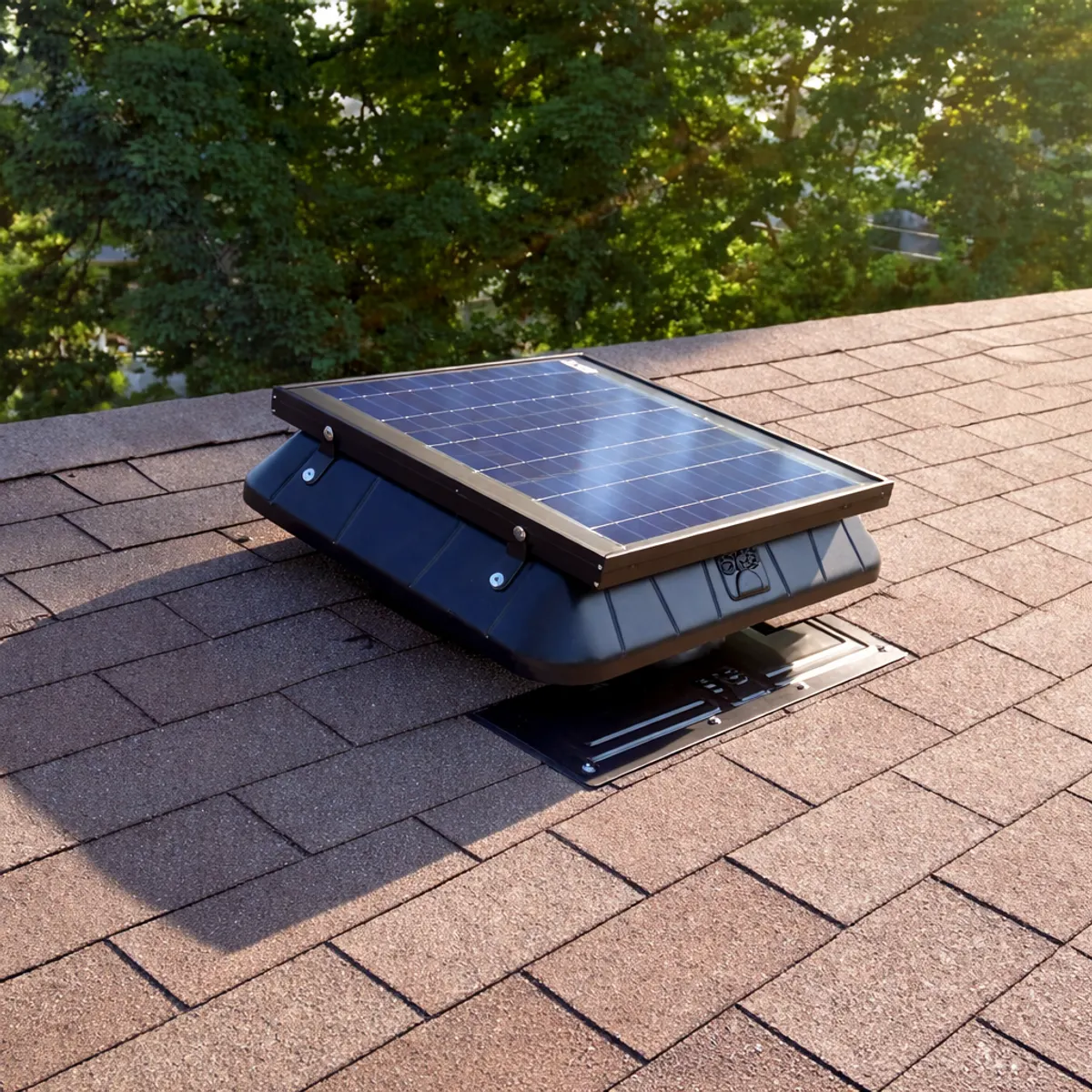
Intake, exhaust, baffles, and trapped heat patterns should be reviewed as part of the attic system, not as an isolated fan decision.
Keep going
The next local pages for this problem in St. Louis.
This keeps the content hierarchy clean: problem guide first, then the correct market service page or market hub when the homeowner is ready to act.
St. Louis homeowners reach a local Good Attic path without needing to visit an office.
Good Attic is a home-service attic company. The assessment happens where the attic is, so this page keeps local relevance tied to the St. Louis team, service-area coverage, and documented attic findings instead of relying on walk-in office traffic.
Call or text the market team
Use 314-931-2620 for the St. Louis contact path. The goal is to get the attic details to the team that serves the home, not send the homeowner through a generic national handoff.
The assessment happens at the home
Attic condition, access, insulation depth, air leakage, ventilation clues, and contamination all have to be reviewed at the property before the scope can be recommended responsibly.
Local coverage stays accurate
This hot upstairs rooms in st. louis, mo guide keeps the research path connected to the St. Louis market hub, local service pages, and the 314-931-2620 call or text path. It supports local search without implying a walk-in storefront or separate branch in every nearby city.
Source notes
Independent references that inform this attic guidance.
These sources are included for context. They do not endorse Good Attic, and the right project scope still depends on documented attic conditions.
Questions about hot upstairs rooms in st. louis, mo.
Can attic insulation fix hot upstairs rooms in St. Louis?
It can help when the attic is underinsulated or uneven, but the best result usually depends on checking air sealing, ventilation, and the existing attic condition first.
Should I add an attic fan first?
Not automatically. A fan can be part of the answer in some attics, but it should not replace checking insulation coverage, air leaks, intake paths, and attic heat movement.
Why does one upstairs room feel worse than the others?
Rooms over garages, rooms under long roof slopes, bonus rooms, and rooms near attic access points can be exposed to different attic conditions than the rest of the upper floor.
Local contact
Want Good Attic to inspect this attic issue in St. Louis?
The best next step is a documented attic assessment so the recommendation matches the attic instead of guessing at one product.